

Celebrating generations of memories and milestones
In 1961, a simple but powerful idea took shape on the shores of Lake Joseph in Muskoka, Ontario: Everyone deserves the chance to experience the magic of camp, free from barriers.
Thanks to the generosity of our donors, that vision has endured for 65 years. Today, CNIB Lake Joe is a fully accessible camp where children are encouraged to shine, youth are empowered to thrive, and “kids of all ages” build confidence, independence, and lifelong friendships. Over the past six and a half decades, we've welcomed guests impacted by blindness from across Canada – and around the world!
As we proudly celebrate Lake Joe's 65th anniversary in 2026, let's look back at some of the defining moments that have shaped this extraordinary community, made possible by the support of our donors.
"Lake Joe is my happy place. When I’m here, I feel at peace. I’ve never felt so welcomed and safe. Thank you to all who make this experience possible!"
–CNIB Lake Joe participant, 2025
1961: Introducing a camp like no other
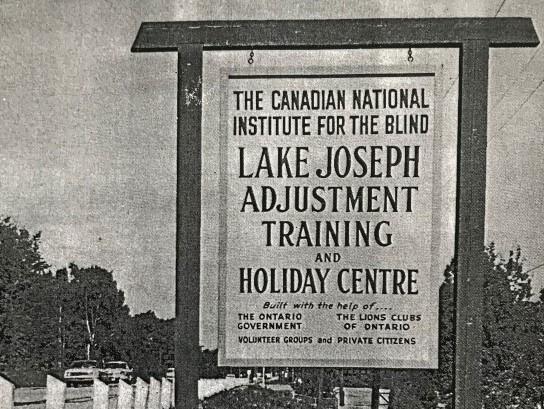
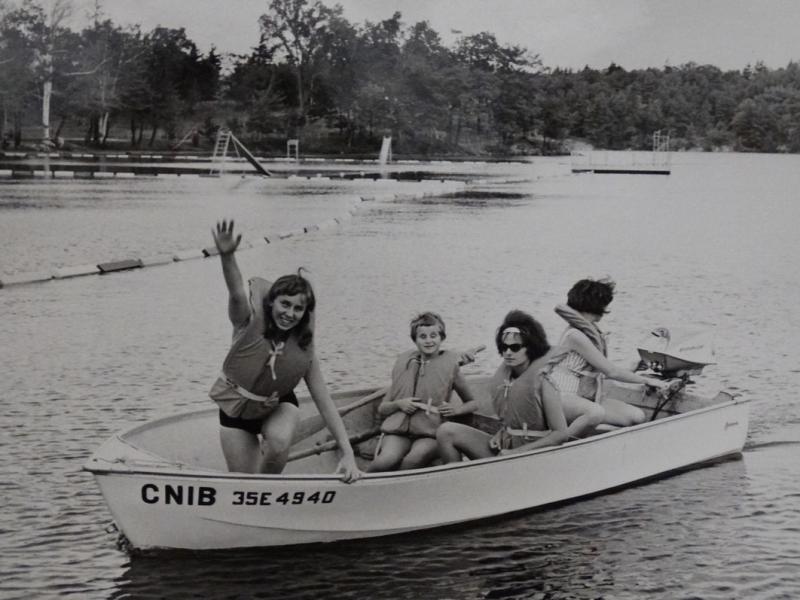
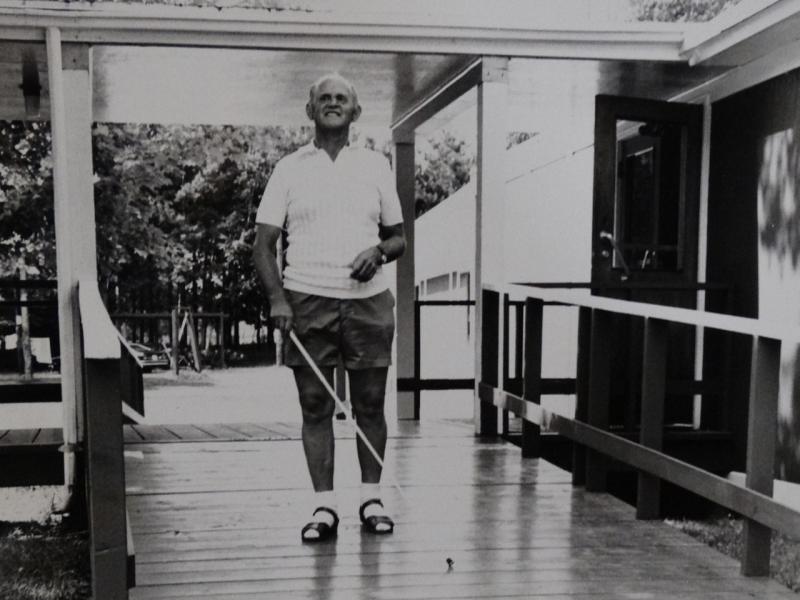
CNIB Lake Joe, originally known as the Canadian National Institute for the Blind Lake Joseph Adjustment Training and Holiday Centre, formally opened its doors to campers on August 17, 1961.
At a time when opportunities for people impacted by blindness were often limited, Lake Joe represented something truly groundbreaking: a fully accessible camp experience where participants could enjoy recreation, build independence, and connect with others in a welcoming community.
2000: SCORE comes to Lake Joe
In 2000, one of CNIB's most impactful youth programs arrived at the camp. SCORE (Skills, Confidence & Opportunities through Recreation and Education) is a fun, skills-based summer experience for youth with sight loss – designed to build confidence, independence, and teamwork through hands-on activities, workshops, outdoor fun, and networking opportunities.
Lake Joe was a natural home for the program, combining hands-on learning and personal growth with all the adventure, friendship, and community that camp has to offer.
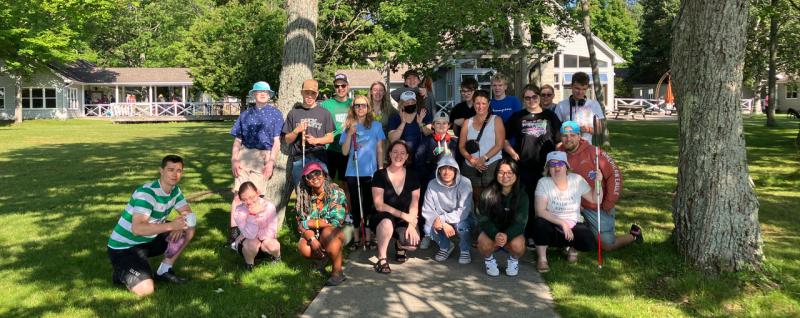
"I grew up in small town in Saskatchewan and did not know anybody else with vision loss as a child. My first meaningful interactions with peers with vision loss was when I had the privilege of attending SCORE as a camper at the age of 16...
[At camp] I developed lifelong connections with peers that understood some of the same challenges I faced, and I was also exposed to role models who lived happy, successful lives with vision loss."
–Kyle, SCORE participant
2012: Ability takes centre stage
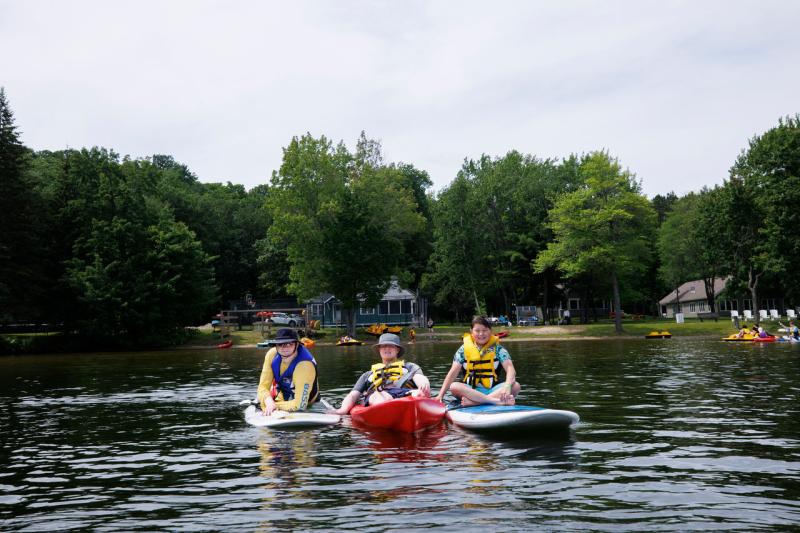
In 2012, we introduced Camp Abilities, an inclusive, goal-based athletic program modelled after the internationally recognized Camp Abilities movement, which began in New York and is now offered around the world.
Through sports like sailing and triathlon, participants have the opportunity to develop athletic skills pursue personal goals, and discover a true love of sport for the first time.
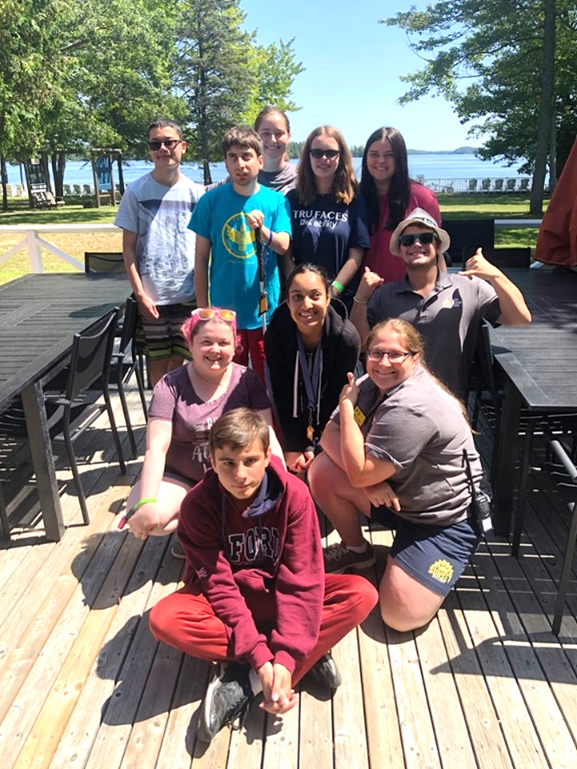
2019: Developing tomorrow's leaders
By 2019, Lake Joe was helping young people take the next step from camper to leader, both at camp and beyond.
That’s when we launched Leadership Camp, a program designed to help participants build skills in public speaking, advocacy, teamwork, and mentorship.
At the same time, our Counsellor-in-Training Program gave youth hands-on experience, practical job skills, and the confidence to take on new challenges. For some, it was the first step toward becoming a Lake Joe counsellor themselves.
2020: Keeping campers connected
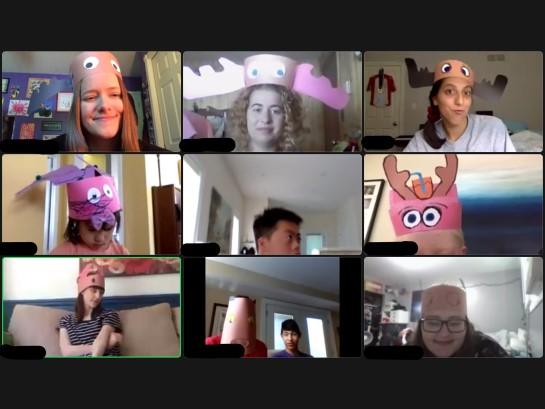
When the world shut down and campers couldn't come to Lake Joe, Lake Joe came to them.
In response to the COVID-19 pandemic, we launched CNIBLakeJoe@Home, bringing the camp experience online. From coffee chats and arts and crafts to trivia sessions and virtual campfire singalongs, participants could gather, celebrate, and learn from wherever they were.
Today, virtual programming continues to help people stay connected to the Lake Joe community year-round, no matter where they live.
2022: New sports, new possibilities
CNIB Lake Joe welcomed guests back to a full season of in-person programming while introducing exciting new opportunities in accessible sport. In partnership with the Ontario Blind Sports Association and Soccability Canada, we hosted our first-ever Blind Soccer Residential Course, an immersive training program that helped participants learn to coach and officiate blind soccer on Lake Joe’s new blind soccer pitch.
We also expanded Camp Abilities to include blind hockey. In partnership with the Canadian Blind Hockey Association, children and youth with sight loss had the opportunity to skate, shoot, score, and build confidence in a safe and inclusive environment.
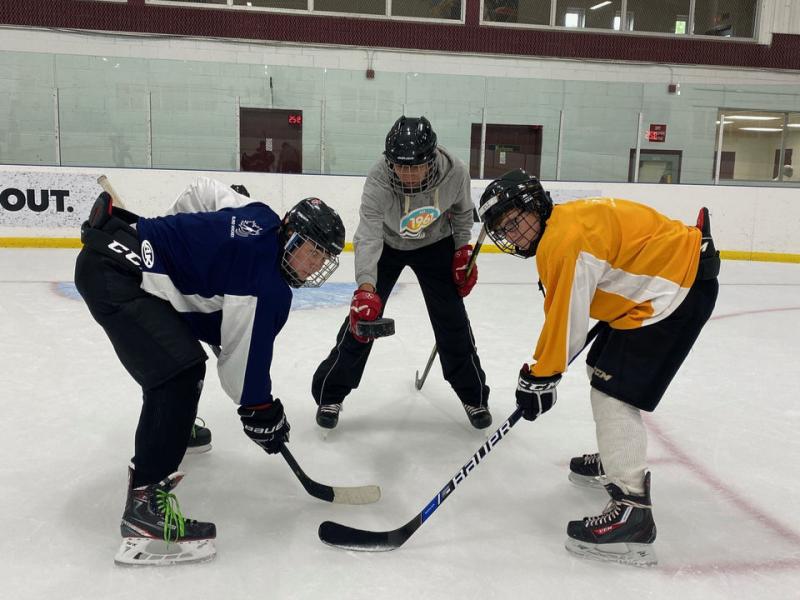
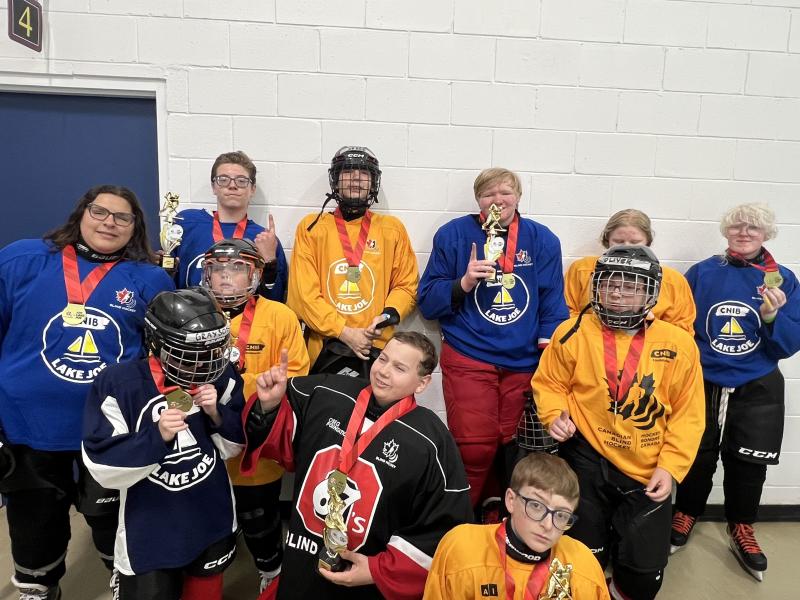
“My favourite part was being away from my family for the first time. I got to spend time with my friends, meet a lot of new people, and, of course, I got to play hockey!”
–Sofia, Camp Abilities participant
2026: The story continues
Sixty-five years after opening its doors, the story of Lake Joe is still being written.
This summer, we're introducing the Young Adult Arts Intensive, giving youth who are blind or have low vision an opportunity to explore creativity, connection, and self-expression.
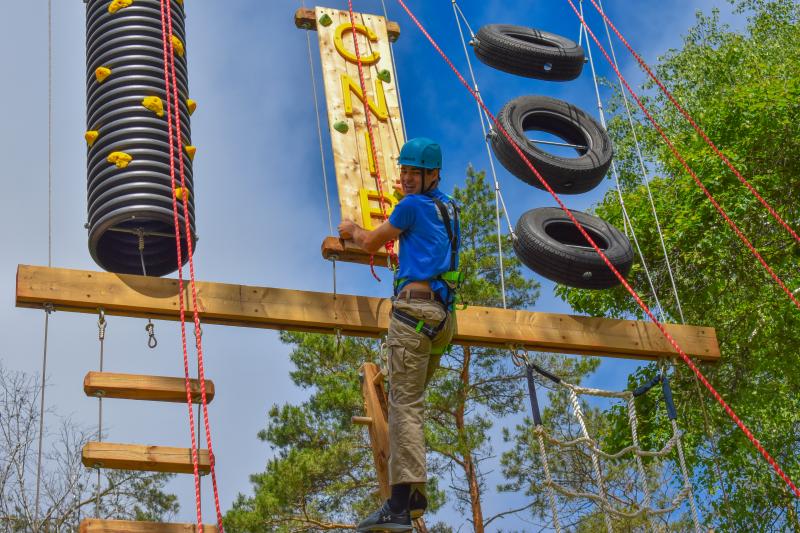
We're also expanding the Adventure Zone with a new 36-foot climbing tower, creating even more opportunities for participants to challenge themselves and reach new heights.
The next chapter
As Lake Joe enters its next chapter, we remain committed to creating life-changing experiences that help people impacted by blindness discover their strengths, pursue their goals, and experience all that camp has to offer.
Even though we’ve been running Lake Joe for 65 years, we’re continually innovating to ensure every camper has the opportunity to grow and thrive. Thanks to the support of our donors, we’ll be offering new, exciting, and accessible programming for many years to come at Lake Joe.
Land Acknowledgement
CNIB Lake Joe is on land which is the traditional territory of the Anishinaabek (Ojibwe, Pottowattami, and Odawa) people. The Anishinabek still regard these lands as the hunting grounds, medicine areas, and gathering places, related to them through oral history passed down for generations. Other Indigenous Nations have come to occupy this land such as the Haudenosaunee (Ho-deh-no-show-nee) and the Metis Nation. We are grateful for the opportunity to meet here and we thank all the generations of people who have taken care of this land for thousands of years.