

As World Cup frenzy sweeps the globe, hundreds of millions are celebrating how soccer – or football – continues to bring people together.
But for many people who are blind or have low vision, the opportunity to fully participate in the world's game hasn’t always been within reach.
Blind soccer is changing that. Through a few simple adaptations, blind soccer is helping more players discover the excitement, camaraderie, and sense of belonging that make soccer the world's most popular sport.
How blind soccer works
- Five players per team compete on a 20 x 40 metre field.
- All outfield players wear eye shades to ensure fair play.
- The ball contains bells, allowing players to track it by sound.
- Players call “voy” when challenging for the ball to help avoid collisions.
- Textured boundaries help players stay oriented.
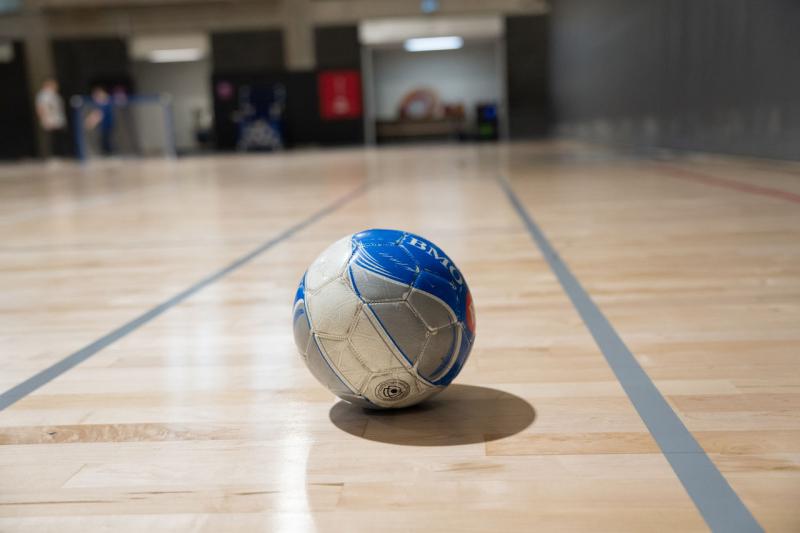
One match is all it takes to get hooked
Played in more than 60 countries and featured on the Paralympic stage, blind soccer (also known as five-a-side soccer) is built on speed, awareness, and teamwork.
Some may be surprised to learn that blind soccer is just as fast and physical as traditional soccer.
There’s the rattle of the audible ball. The voices of teammates guiding one another. The familiar call of "voy", Spanish for “I go” or “I’m going” – a nod to the game’s origins in Spain – as players close in on the ball. Every sound serves a purpose.
“There are two moments of astonishment for those unfamiliar with the sport,” says Matt Greenwood, founder of Soccability Canada, a non-profit organization created to make soccer accessible to individuals of all abilities.
“First, they cannot believe it’s possible, and second, they cannot believe how exciting it is to watch.”
Opening the field to more players
CNIB is helping more people with sight loss discover blind soccer. Through community events and partnerships with organizations like Soccability Canada, participants can learn about the sport, try it for themselves, and connect with a growing community of players.
At the heart of CNIB’s blind soccer programming is CNIB Lake Joe, Canada’s only fully accessible summer camp for people with sight loss, which is home to a purpose-built blind soccer field.
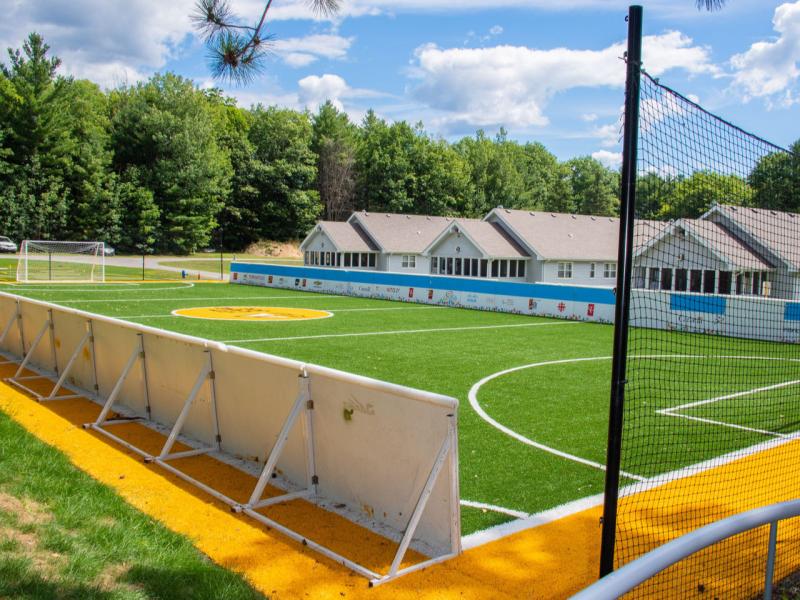
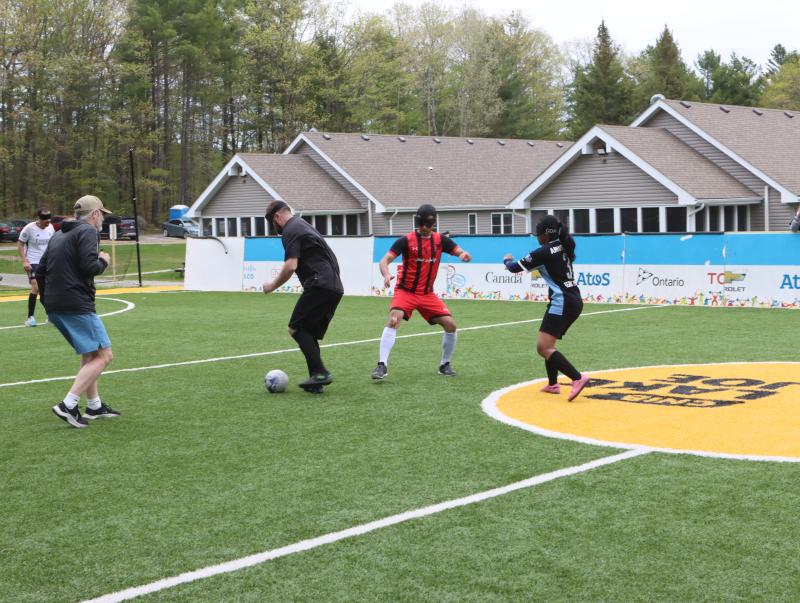
For five years, CNIB Lake Joe has hosted blind soccer development camps, introducing countless campers to the sport. Lake Joe has also played an important role in helping grow blind soccer in Canada, bringing together players, coaches, and community partners to learn, compete, and build the future of the game.
For many, it’s their first opportunity to play soccer in an environment designed around their abilities. It’s a chance to develop new skills, feel a true sense of belonging, build friendships, and discover what’s possible through sport.
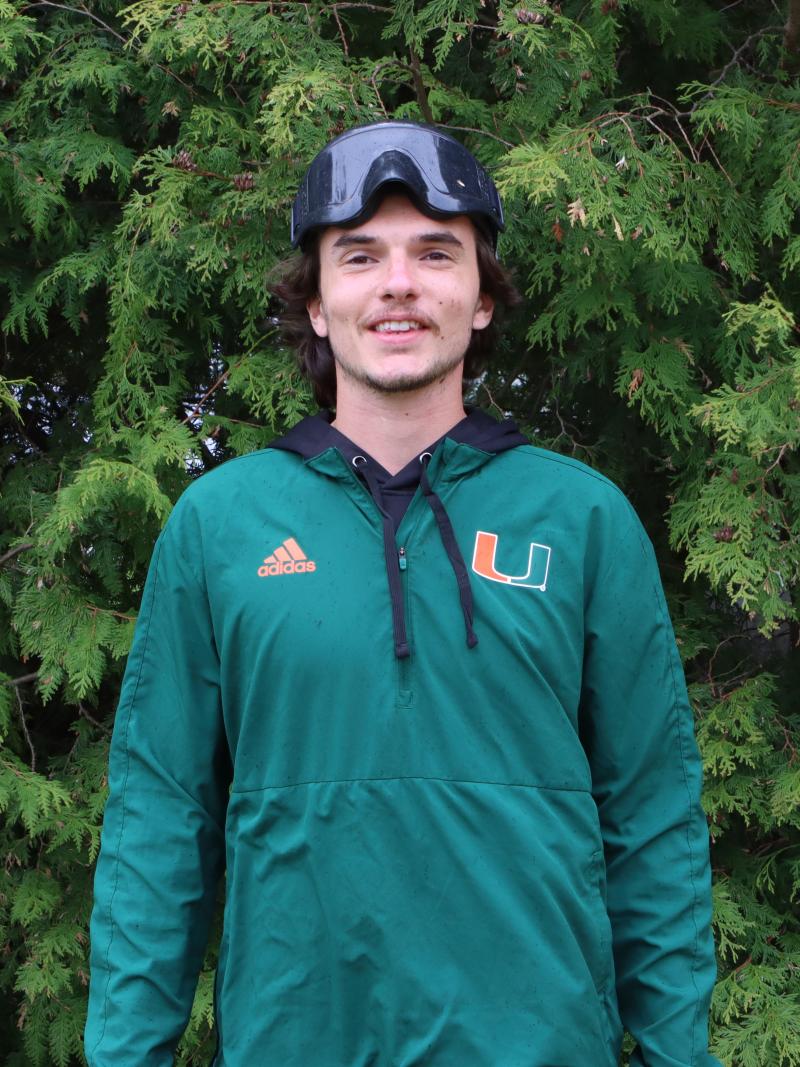
"I belong in the game."
For Chayse Zehr, a lifelong love of sports didn’t end when he started losing his vision. It simply found a new direction.
Diagnosed with Leber hereditary optic neuropathy in late 2024, Chayse experienced a rapid loss of central vision in just four months. He has embraced blind soccer with the same determination that once fuelled his passion for hockey and baseball.
He attended the blind soccer development camp run by Soccability Canada at CNIB Lake Joe this spring, and says it’s the most challenging sport he’s ever tried, even surpassing blind hockey, which he also plays.
“At first blind soccer was overwhelming, trying to relearn things I thought I already knew. But once I got out there, I realized I belong in the game. It just challenges and motivates me in a whole different way.”
What began as a challenge quickly became a passion. As Chayse puts it: "I fell in love with blind soccer at Lake Joe."
Soccer is for everyone
Soccer’s appeal is universal. At its core, it’s about skill, teamwork, and competition shared. Blind soccer carries that same spirit forward, opening the pitch to those often left on the sidelines. What emerges is not a different game, but a more welcoming one, where more people can step in and belong.
For Chayse and Matt, the future is full of possibility. Both hope to see Canada's first men's blind soccer team take shape in the years ahead, building on the momentum of the National Women’s Blind Soccer Team, established in 2022 – helping bring the sport to even more players and fans across the country.
For more information – and inspiration – visit CNIB Lake Joe, our donor-supported accessible camp for people with sight loss, and explore everything Soccability Canada is doing to promote inclusivity in Canada.