
Imagine ordering a taxi or rideshare, or arriving at a restaurant, hotel, medical appointment, or store, only to be stopped at the door and told you’re not welcome. For many guide dog handlers, this isn’t a hypothetical scenario. It’s their lived experience.
Every day, guide dog teams across Canada are refused access to places and services because people don’t understand the rights of guide dog handlers or their own legal obligations to provide access and service.
Guide dogs and their handlers are allowed access to any premises the public would normally have access to. Meaning people who partnered with guide dogs have the legal right to enter public spaces and businesses, including restaurants, hotels, taxis and rideshares, stores, and public transit.
These rights are protected by human rights legislation and provincial laws that prohibit discriminating against a person with a disability who is working with a guide dog.
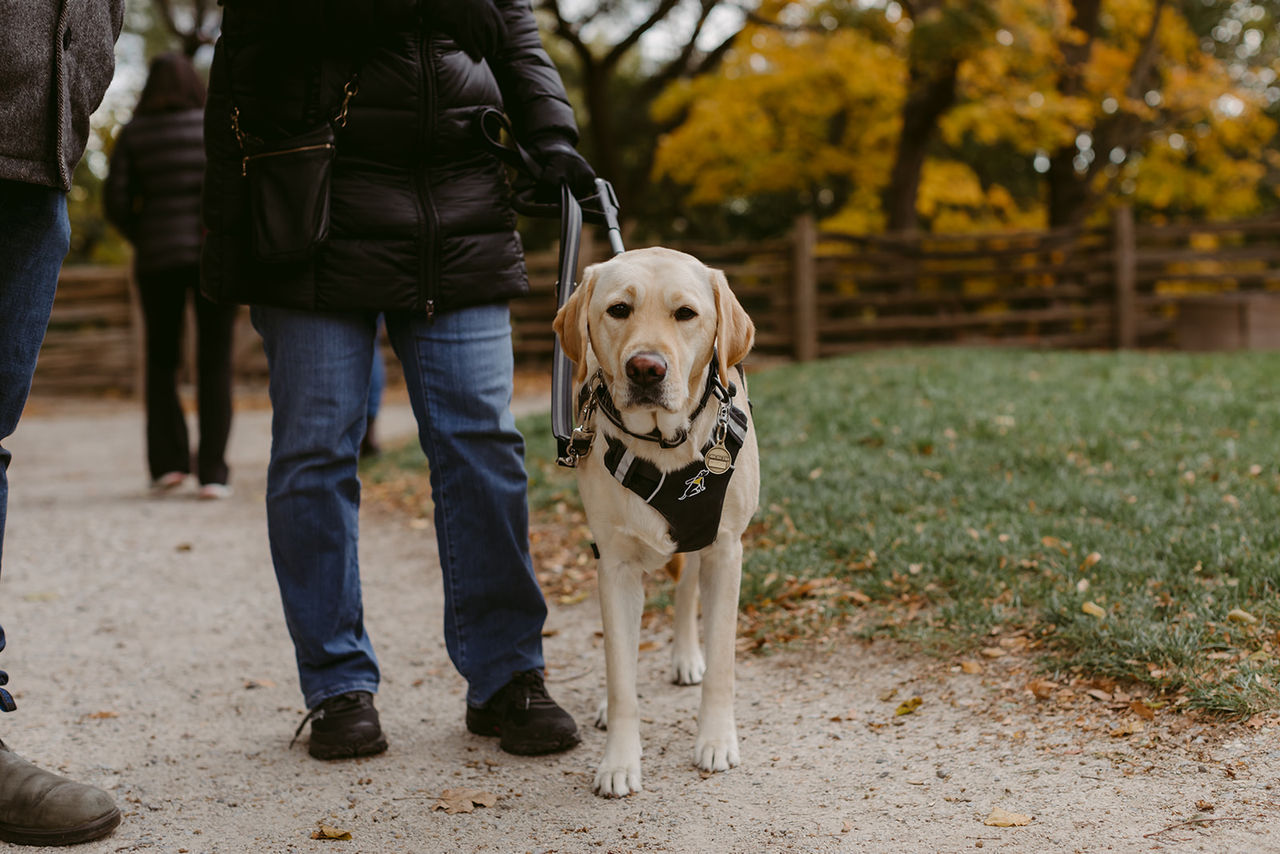
People can’t be denied access to accommodations, services, and facilities that are normally available to the public because they’re accompanied by a guide dog.
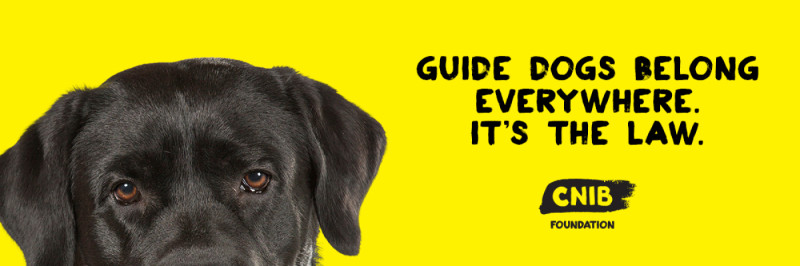
Guide dogs belong everywhere. It’s the law.
Guide dog handlers should be able to move through their communities freely and independently, without having to plan their lives around the possibility of encountering discrimination. They shouldn’t have to think ahead about where they might be refused service or how they’ll respond if it happens.
Access denied
Guide dog access refusals are more than minor inconveniences. They can disrupt a handler’s life, making them late for work, causing them to miss an appointment, preventing them from dining out or getting groceries, or leaving them stranded and forced to find another way to get around.
There’s also an emotional toll. Having to explain why you have the right to be somewhere with your guide dog, or being turned away altogether, can leave handlers feeling frustrated, humiliated and excluded.
Every time a guide dog is denied access, so is their handler’s freedom and independence.
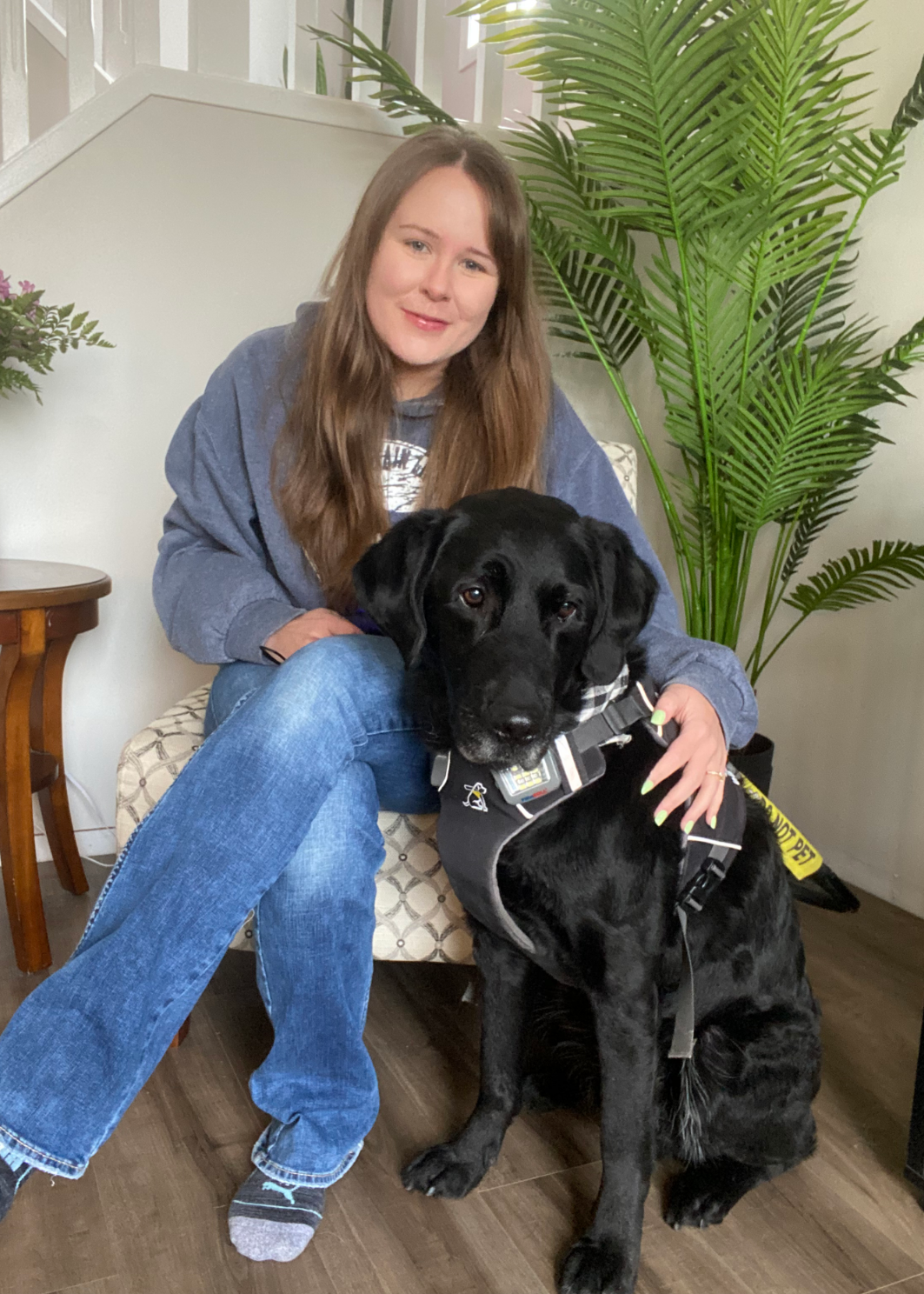
"Guide dogs are not pets. They are mobility aids and refusing a guide dog team access isn’t just an inconvenience; it directly impacts my ability to get to work, attend appointments, and participate fully in my community. Arguably the most exhausting part is how often this happens. Each time forcing me to decide, yet again, whether I have the energy to educate, advocate, and push back."
– Taylor, Guide dog handler.
Guide dog access rights
Many of the barriers guide dog handlers face stem from a lack of awareness. Often, people don’t realize how their actions, like denying access to a guide dog team or distracting a guide dog while it’s working, can have serious consequences.
In all of Canada's provinces and territories, you cannot discriminate against a person with a disability who is working with a guide dog. Discrimination includes denial of access to any premises where the public would normally have access. Penalties under human rights legislation range from $100 to $10,000.
Moreover, five provinces have enacted specific legislation that mandates access to public premises for guide dog teams: British Columbia, Alberta, Ontario, Nova Scotia, and Newfoundland and Labrador. In these provinces, police and the RCMP have the authority to investigate a complaint of access denial under the Service Dog Act or the Blind Persons’ Rights Act. Penalties under these acts can be up to $5,000.
Although only these five provinces have legislation that gives the police the authority to lay charges, a complaint can be filed with the human rights tribunal in all provinces and territories.
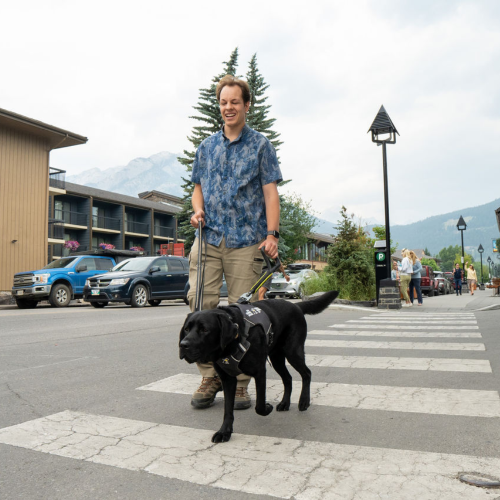
It's not okay to ask for proof
It’s not appropriate to ask a guide dog handler for proof that their dog is a guide dog. Best practice is to recognize the dog as a guide dog unless there is a legitimate reason to believe otherwise, such as inappropriate behaviour.
Inappropriate behaviour generally means the guide dog is not under the handler’s control and may include barking after being told not to, lunging at people or other animals, or jumping up.
Fear of or discomfort around dogs is not an acceptable reason to deny access to a guide dog handler.
Remember: People partnered with guide dogs have an equal right to access public services and places.
Denying access to a person with a disability because they use a guide dog could constitute discrimination under human rights legislation.
Even in rare circumstances where accommodating a guide dog team could cause undue hardship, there is still a legal requirement to provide the handler with the next best accommodation.
The same applies when competing rights are an issue, such as allergies. Every effort should be made to find a solution that balances the rights of everyone involved, rather than simply excluding the person with a guide dog.
What do guide dogs do?
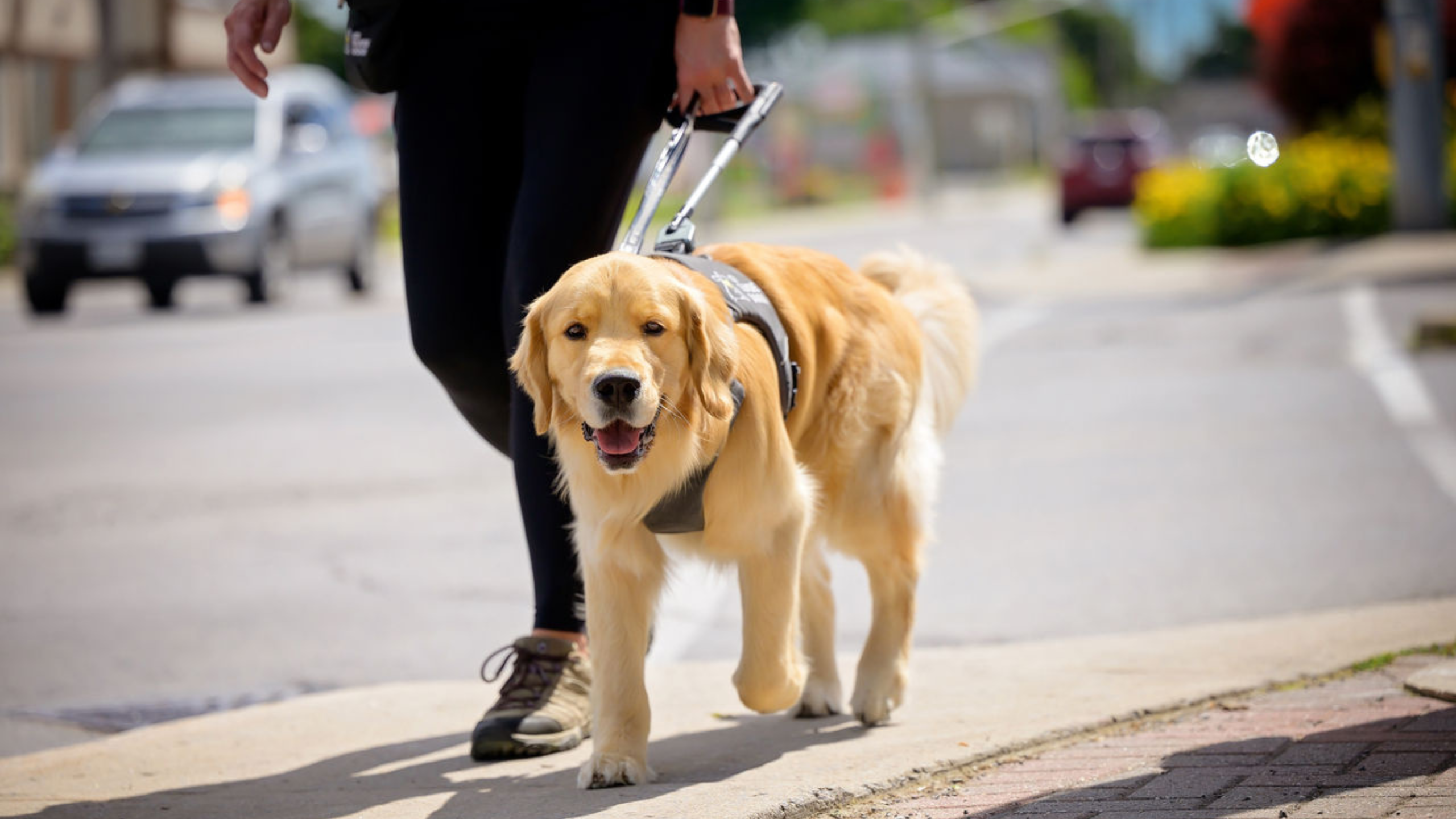
Guide dogs are partners in mobility for people who are blind, Deafblind, or have low vision.
Whether it's avoiding obstacles, stopping at curbs and steps or negotiating traffic, guide dogs enable their handlers to navigate the world around them safely and independently.
Guide dogs are not pets. They do serious work and are among the most highly trained dogs in the world, performing tasks that require intensive standardized training.
One way to identify a guide dog is by the harness they wear.
Guide dogs usually wear a structured harness with a handle designed for guiding.
Handles can vary in appearance and attachment styles (u-shape attaching on both sides of the dog's shoulders, or single handle with middle attachment). Regardless of design, the harness is always built to give the handler information about movement.
While guide dog harness styles and colours may differ slightly between guide dog training schools, all guide dogs should be in harness and under the handler’s control while guiding.
Guide dog etiquette
For many guide dog handlers, people attempting to interact with or get the attention of their dogs is an all-too-common experience. While these interactions may seem harmless, distracting a guide dog while they're working can have serious consequences and jeopardize the safety of both the dog and their handler.
Understanding how to behave around a guide dog is an important part of respecting guide dog access.
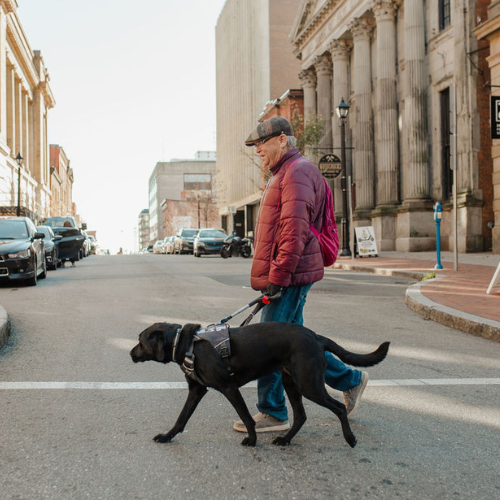
A guide dog in harness means, "Please don't interact with me. I'm working." As tempting as it may be, never pet, talk to, or make eye contact with a guide dog in harness. Ignore the dog completely if possible, so that it can focus on its work.
What you can do to support guide dog teams in your community
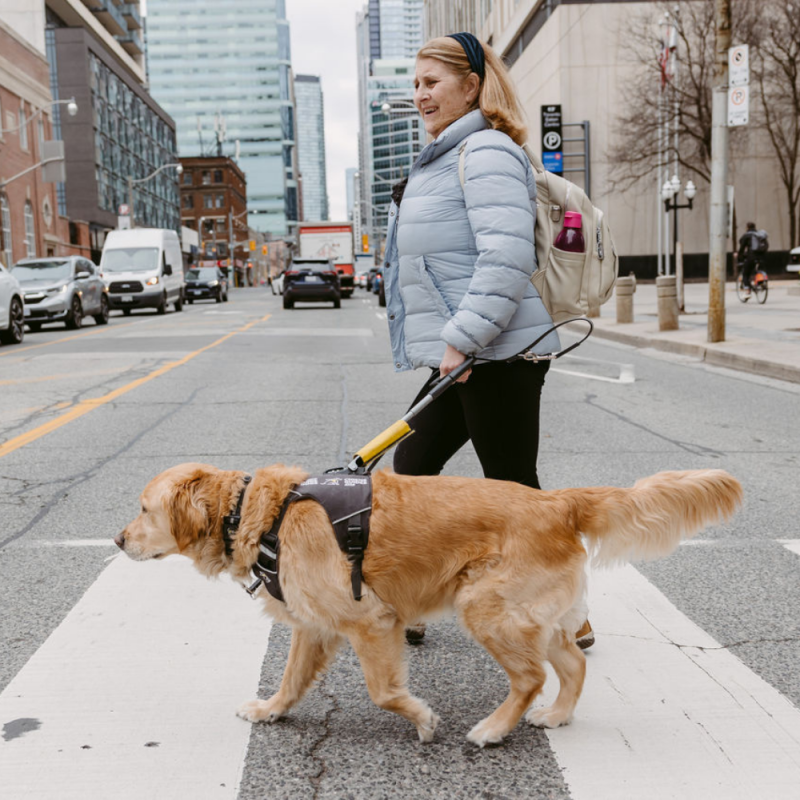
By educating yourself and others about proper guide dog etiquette and the rights of guide dog handlers, you can help shift social attitudes towards universal acceptance and appreciation for guide dogs, ensuring the rights of guide dog teams are always respected.
Here’s how:
- Know the rights. Learn about the legislation and human rights protections that apply to guide dog teams in your province or territory.
- Watch and share. Watch our Guide Dogs Belong Everywhere educational video and share it with your friends, family, colleagues, and community.
- Learn how to behave around a guide dog. Read and share our Guide Dog Etiquette 101 resource to understand how to interact respectfully with guide dog teams.
- Educate your workforce. Training staff on the rights of guide dog handlers, their legal obligations when providing service to people accompanied by guide dogs, and proper guide dog etiquette can help prevent access refusals and ensure compliance with the law.
- Show guide dog teams they’re welcome. Order a FREE ‘Guide Dogs Welcome’ window decal for your business. Display it at your storefront, entrance, or checkout to show your support for guide dog teams and help raise awareness about equal access. Call 1-800-563-2642 to order yours.

- Start a conversation. Talk to your friends, family and colleagues about the rights of guide dog teams in your community.
- Get kids involved. Have young people in your life? Print our colouring activity sheet for kids. It features an illustrated guide dog team that kids can colour and place in any setting they can imagine exploring with a guide dog.
Guide dog handler advocacy resources
CNIB provides advocacy support for guide dog handlers across Canada, regardless of where their dogs are trained.
If you are denied access, or if you witness a guide dog access refusal, speaking up matters. Knowing your rights can help you feel informed and prepared to advocate.
Download our Guide Dog Handler Advocacy Toolkit for information and resources to help you understand your legal rights and how to advocate for yourself.
For more advocacy support and information, email advocacy@cnib.ca