
When Theresa Shaw volunteered to become a puppy raiser for CNIB Guide Dogs, she thought it would just be about cute puppies.
What she discovered was how deeply volunteering could connect her to a community that changes lives – and how much impact a single volunteer can make.
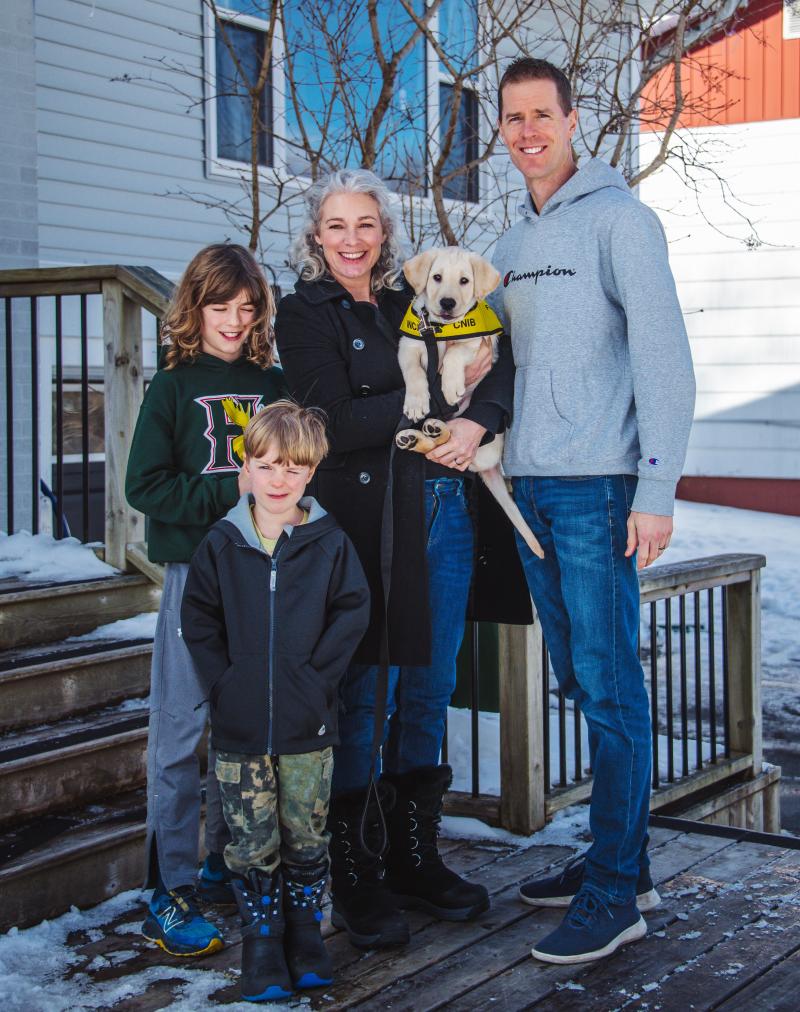 Every guide dog journey begins with a volunteer
Volunteers are the heart of CNIB Guide Dogs. Their care and commitment make it possible for Canadians who are blind, Deafblind, or have low vision to experience the enhanced confidence and independence a guide dog provides.
“The need for guide dogs is always there, and the more volunteers they have, the more people they can help,” Theresa says.
“By getting involved as a puppy raiser, you’re not just helping to fill a volunteer gap. You’re actively contributing to a more inclusive Canada,” she adds. “You’re helping CNIB meet increasing demands and making a direct, lasting impact on a person’s life.”
What do volunteer puppy raisers do?
Behind every successful guide dog is a dedicated volunteer who helped raise and shape them. Puppy raisers provide future guide dogs with a loving home, early training, and socialization, laying the essential foundation they need to thrive.
“Our job is to raise a confident, happy puppy and introduce them to the world,” Theresa explains. “And it’s so important because in turn, guide dogs give the gift of independence to someone who needs it.”
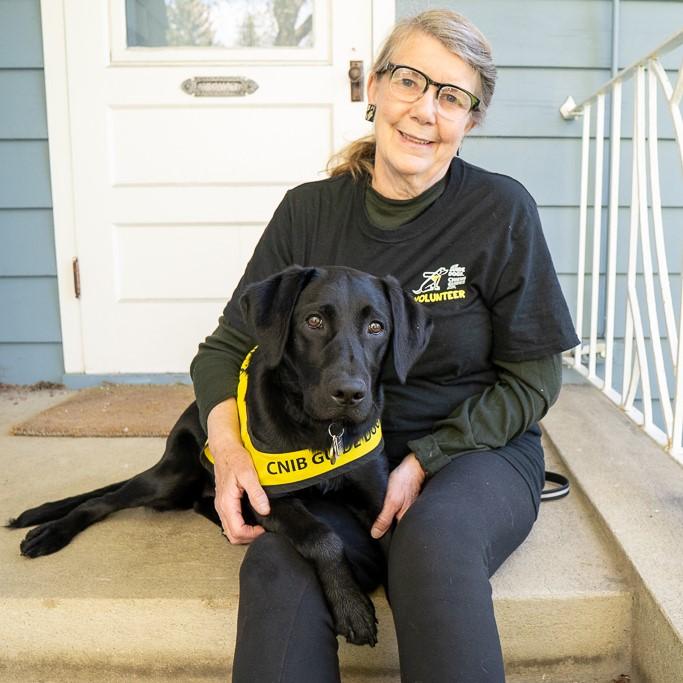 Why guide dogs are life changing
Guide dogs are highly trained partners in mobility. For someone who is blind, Deafblind, or has low vision, a guide dog means navigating their communities with enhanced independence and confidence; having the freedom to travel, work, and socialize, wherever life takes them; and building a trusted bond that provides safety, dignity, and mental well-being.
Every dog in training transforms the lives of both their future handler and the volunteers and staff who nurture, raise, and train them.
Raising Summer
For Theresa, raising her first CNIB puppy Summer – a black Labrador/golden retriever cross – has been the most rewarding experience.
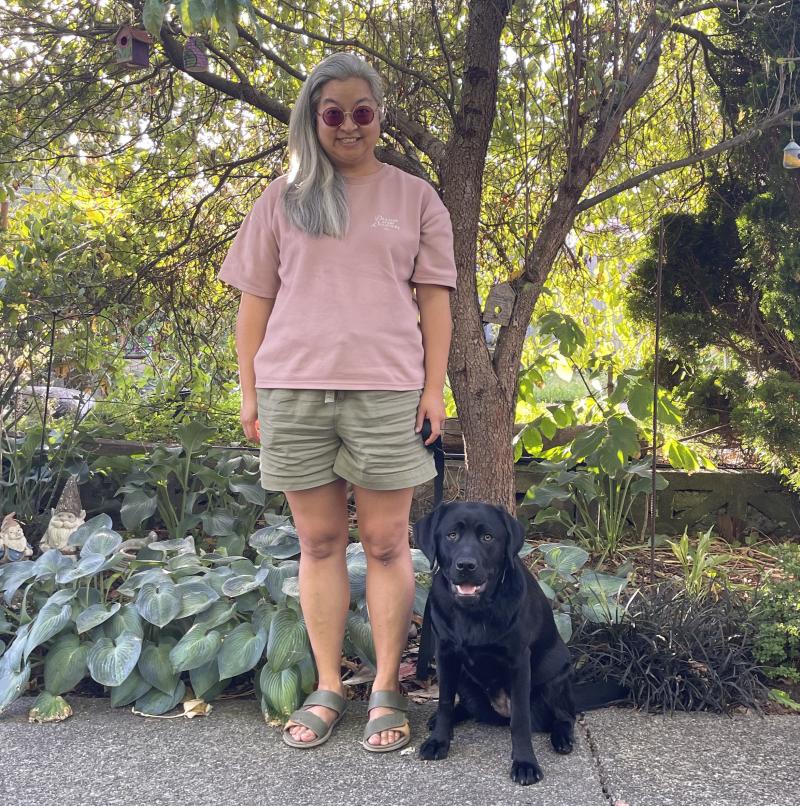 “She’s just the cutest and sweetest dog,” Theresa says. “I got to take her to work with me every day – that alone started so many conversations and brought so much joy to people.”
Her 10 months of raising and loving Summer showed her the impact dogs can have on people and their community.
“It’s opened my eyes to how much a dog can connect a person to the world, and that's just as a volunteer,” she explains. “I can’t even imagine how much that will mean for someone with [sight loss].”
Theresa’s experience raising Summer has been so rewarding that she and her family are taking their support even further. Through their family organizations, The Chin-Wei Foundation and Captain Scott Legacy Society, they’ve committed a $250,000 matching gift for CNIB’s 2025 Giving Tuesday campaign to help raise and train more guide dogs.
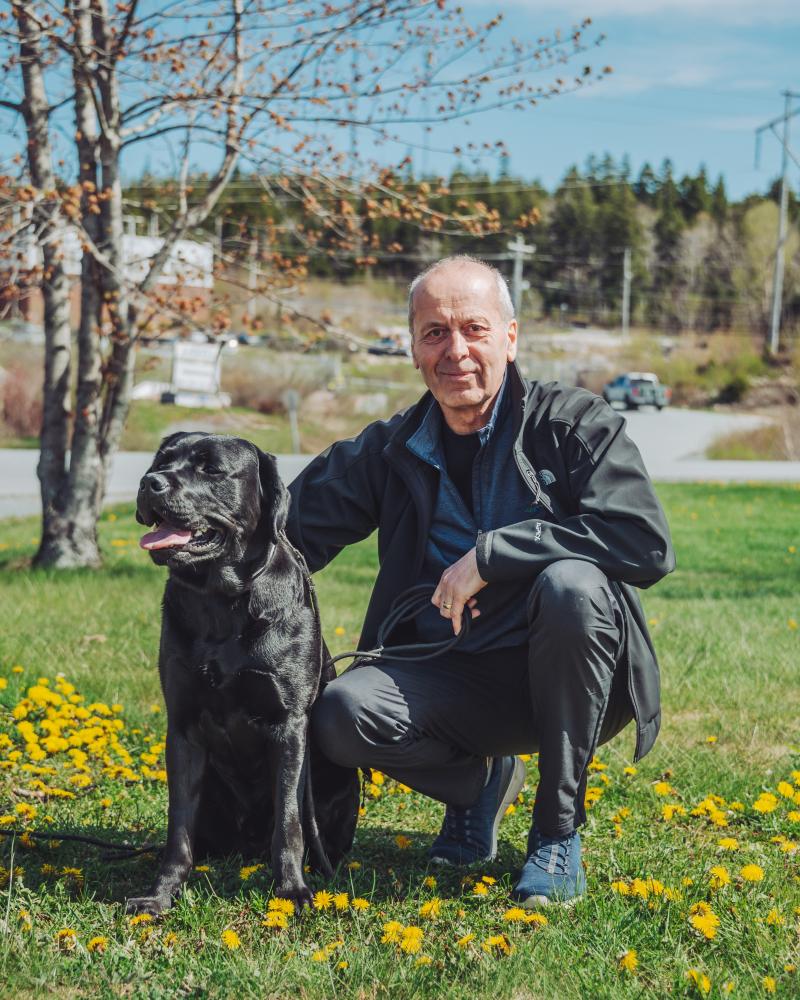
"You get so much out of it"
Theresa emphasizes that volunteering as a puppy raiser is one of the most rewarding things a person could do – both for themselves and the world around them.
“When you’re a puppy raiser, you’re putting in the work to help socialize a puppy so they can change someone's life,” she says. “It’s a very real, very direct way to see the impact of your efforts.”
Her advice for anyone considering volunteering:
“I’d tell them to go for it! You get so much out of it yourself. It’s such a fun, rewarding experience, and you get to see [the] good you’re doing. [Summer] brought me so much joy and satisfaction, so it’s not just about what you give – it’s what you get back, too.”
Theresa describes volunteering as a “two-way street” because both the recipient and volunteer benefit.
“It’s an easy way to become more involved in your community and feel like you’re part of something bigger,” she says. “It’s a super fulfilling experience [and] it doesn’t have to be a big deal. You can volunteer doing something you already love, like being with dogs.”
She adds, “Volunteering isn’t a sacrifice – it’s a way to get more out of life and everyone can do it.”
How you can make an impact
CNIB Guide Dogs urgently needs volunteers to raise future guide dogs. Short- and long-term opportunities are available, and no prior experience is required.
With more volunteers like Theresa and her family, CNIB can raise, train, and match even more guide dogs, helping Canadians who are blind live with greater confidence, independence, and freedom.
Learn more and sign up to help change lives by visiting cnib.ca/puppyraising or explore other volunteer opportunities at cnib.ca/volunteer.