
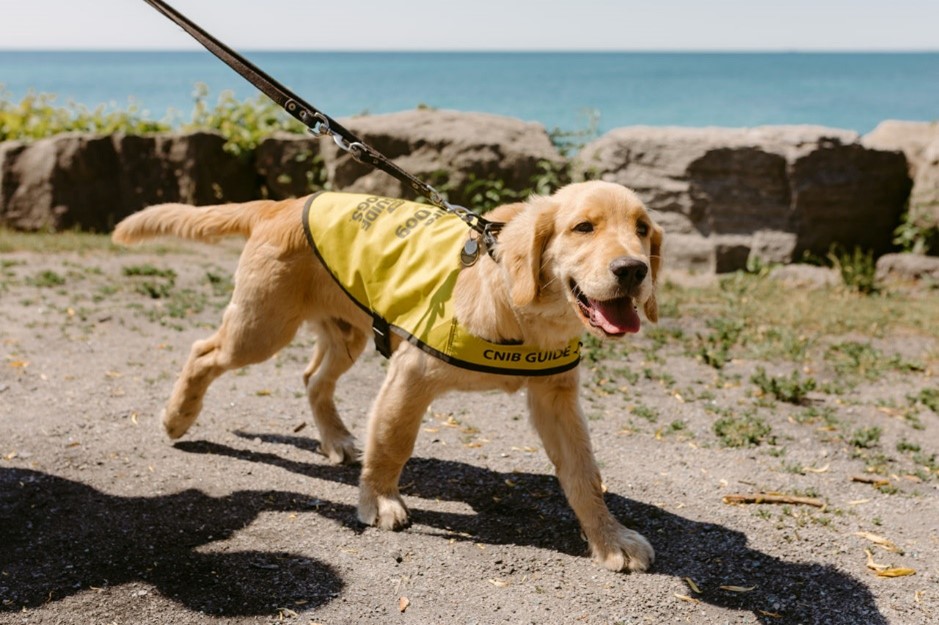
Summer is finally here, bringing sunshine, longer days, and warmer temperatures! While we all love enjoying the season with our canine companions, the summer heat can pose serious risks to their health.
For guide dog handlers, puppy raisers, and all dog owners, understanding how to keep your dogs safe and comfortable is paramount.
Here are some crucial tips from our CNIB Guide Dogs team to help your dog beat the summer heat:
1. Never Leave Your Dog in a Hot Vehicle – Not Even for a Second!
This is perhaps the most critical rule. The temperature inside a car, even on a seemingly mild day, can skyrocket in minutes, quickly turning into a dangerous situation. Cracking a window does not help. If you're running a quick errand, the safest place for your dog is at home.
2. Limit Exercise on Hot Days & Mind the Pavement
When their harness or vests come off, our dogs love to play, but intense exercise during the hottest parts of the day can quickly lead to overheating. Schedule walks and playtime for early mornings or late evenings when temperatures are cooler.
Always remember to check the pavement temperature! Place the back of your hand on the asphalt or concrete. If you can't hold it there comfortably for 10 seconds, it's too hot for your dog's paw pads and can cause painful burns. Opt for grassy or shaded areas whenever possible.
3. Seek Out Shade for Potty Breaks
When relieving your dog, try to find a shady spot or an area that doesn't absorb and radiate heat easily. Even just a few minutes on a hot summer day can cause discomfort for your dog. Every little bit of shade helps keep their paws and body cooler. If you can’t find a paved area with shade, avoid using pavement and opt for a grassy area instead.
4. Provide Ample Shade and Water Outdoors
If your dog must be outside for an extended period, whether playing or just relaxing in the yard, ensure they have constant access to a shaded area. Equally important is a constant supply of fresh, cool water. Consider a few water bowls in different locations to encourage hydration.
5. Recognize the Signs of Overheating and Heatstroke
Being able to identify the symptoms of overheating is vital for early intervention. Look for these key indicators:
- Heavy, relentless panting: They can't seem to catch their breath, even when lying down.
- Gums are bright red or turn purple/blue.
- Fast pulse rate.
- Restlessness and unsteadiness.
Heatstroke is when overheating escalates to a life-threatening level, potentially causing organ shutdown. If you observe these symptoms, act immediately.
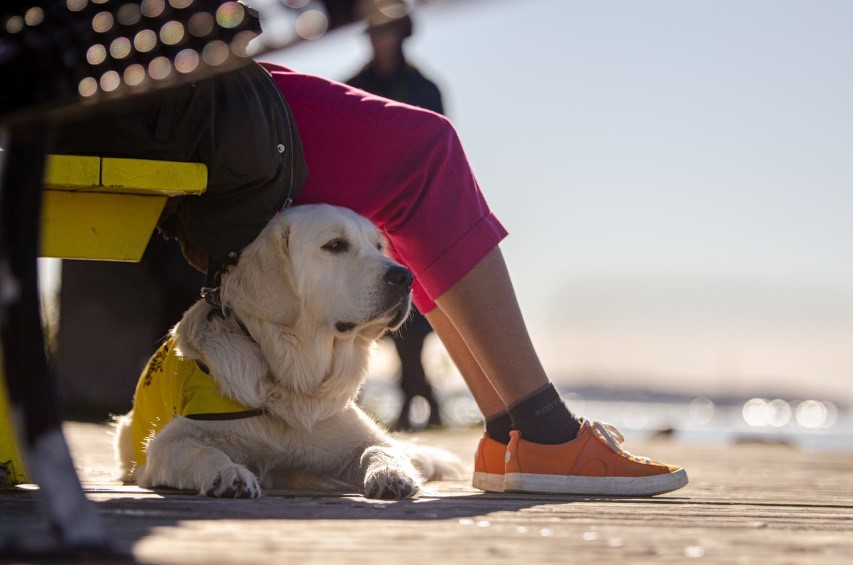
What to Do If You Suspect Your Dog Is Overheated:
Time is of the essence when your dog is overheating. Follow these steps immediately:
- Remove them from the sun or hot environment and get them into the shade or, ideally, an air-conditioned space.
- Apply a direct fan to your dog to help dissipate heat.
- Cool them down with a cold bath or cold towels. If using towels, frequently replace and reapply them as they warm up.
- Wet their ear flaps and paws with cool water.
- Offer them some water, but never force them to drink, as this can cause them to choke.
- Transport your dog to the nearest veterinarian immediately. Even if they seem to improve, professional medical attention is crucial to assess internal damage.
By being proactive and vigilant, we can ensure our cherished canine companions enjoy a safe and happy summer alongside us. Their well-being is in our hands!