

This back-to-school season, CNIB is urging parents to look beyond the pencil case and add a comprehensive eye exam to your child’s checklist. It’s one of the most important investments you can make in your child’s learning and development.
Up to 80% of classroom learning is visual, so your child’s vision can play a critical role in how they learn and experience the world around them.
Undiagnosed vision issues can lead to difficulties in school, hinder your child's participation in activities, and affect their learning, social development, confidence, and overall wellbeing.
Vision issues aren't always easy to spot
While it’s estimated that nearly 25% of school-age children have vision problems, children rarely notice or report vision issues on their own because they assume what they see is normal. They may not show any obvious signs that they’re having difficulty seeing, making vision issues easy for parents to miss, too.
Did You Know?
61% of Canadian parents mistakenly believe they would know if their child is having vision problems.
Early detection is critical for school-aged children.
Many common eye conditions are most successfully treated before age seven. The earlier a vision issue is identified, the sooner children and their families can access the support, treatment, and accommodations they need to thrive in and out of the classroom.
Book your child’s comprehensive eye exam today
Find an optometrist near you using the Canadian Association of Optometrists' Find a Doc directory.
FIND A DOC >
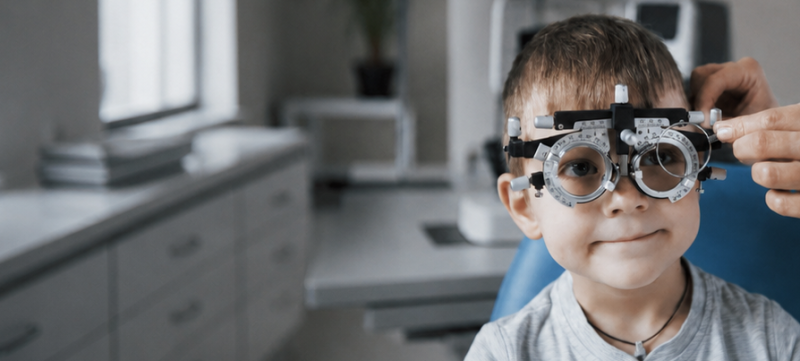
Signs and symptoms to look for
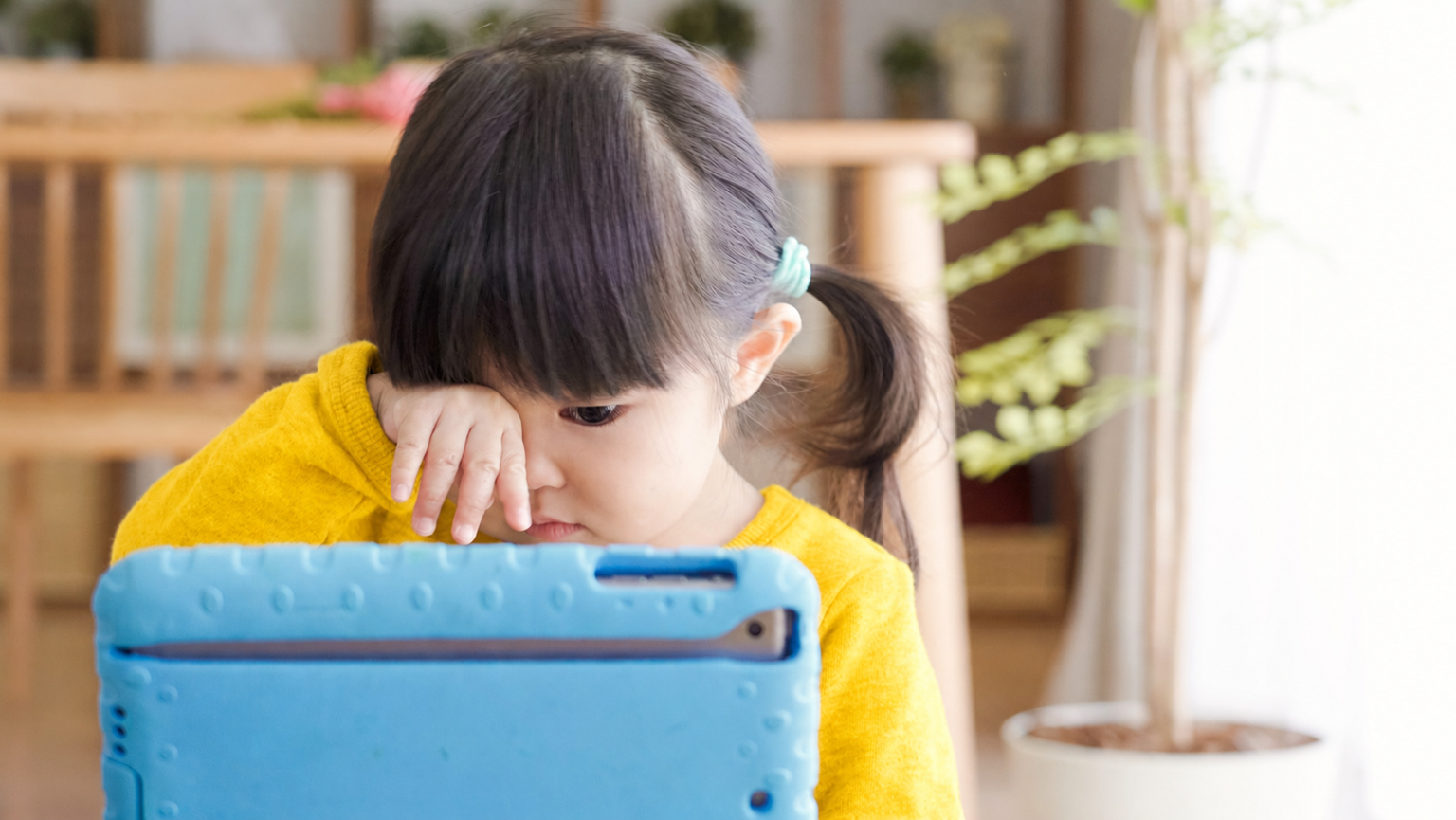
- Squinting
- Excessive blinking, eye rubbing
- Tearing, red, itchy, or burning eyes
- Holding objects close to the eyes
- Headaches or eye strain
- Blurry vision or double vision
- Eye turn (strabismus)
- Turning or tilting the head
- Covering or closing one eye

Reading: Lack of interest in reading, holding reading materials too close, losing their place, complaining of seeing double, omitting or confusing small words, or using a finger to track where they are on a page.
Sports: Frequently bumping into objects, missing targets, or delayed reactions.
Watching TV: Squinting, tilting the head, closing one eye or sitting too close to the TV.
What is a comprehensive eye exam?
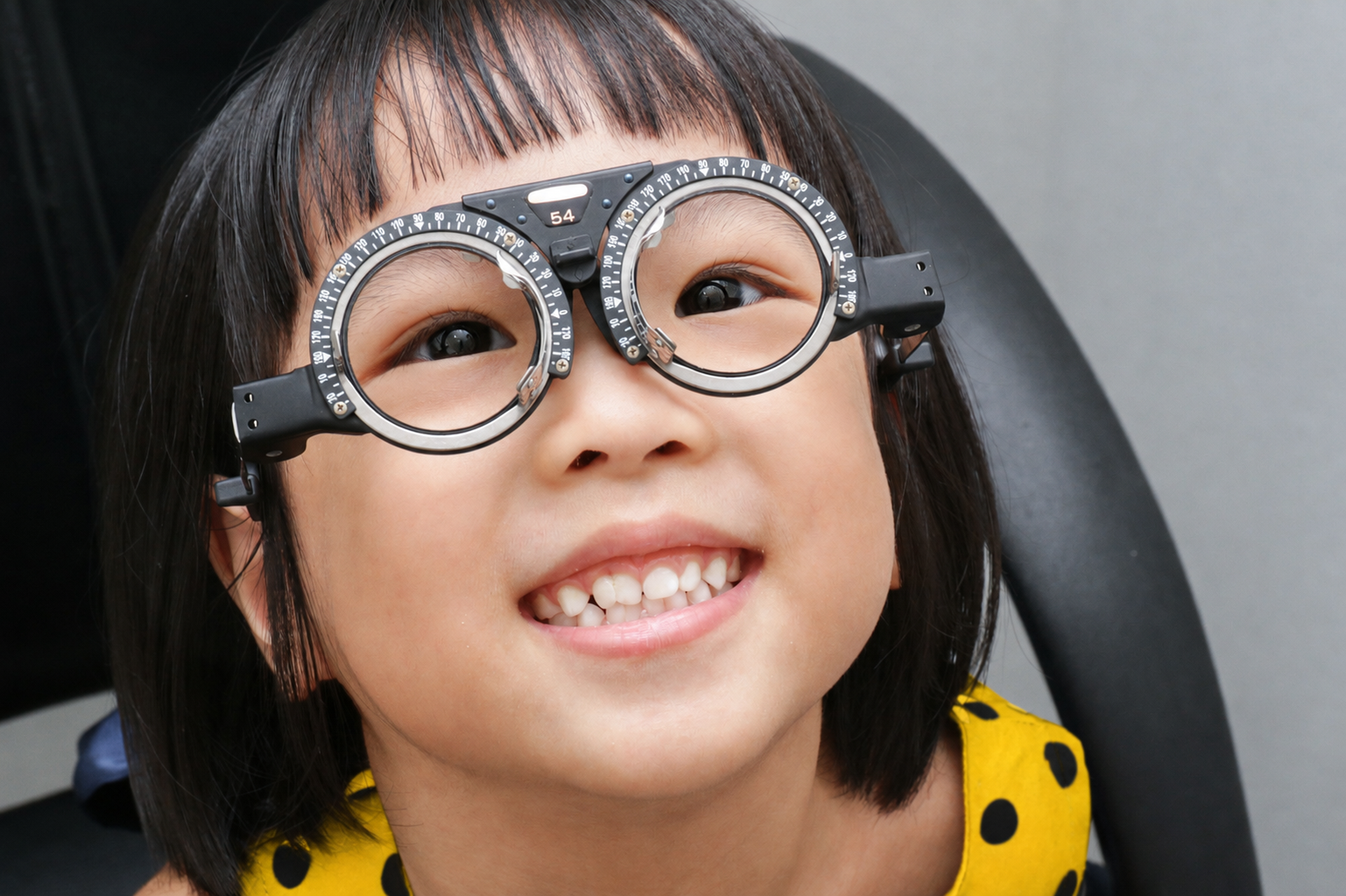
A comprehensive eye exam assesses your child's vision and overall eye health, helping identify conditions like nearsightedness, farsightedness, astigmatism, amblyopia (lazy eye), strabismus (eye misalignment), and other eye diseases or underlying health issues.
What is the optometrist looking for in a comprehensive eye exam?
- Health and vision history
- Focusing ability
- Movement control
- Depth perception
- Colour vision
- Glasses prescription
- Lazy or crossed eyes
- Eye coordination
How often should you have your child's eye checked?
The Canadian Association of Optometrists recommends the following eye exam schedule for most children. Please note that an optometrist may recommend more frequent eye exams based on your child’s individual needs or risk factors.
Watch: Canadian Association of Optometrists, featuring Dr. Grant Wood
Age group |
Recommended eye exam frequency |
|---|---|
|
Infants and toddlers |
First eye exam |
|
Preschool children |
Second comprehensive eye exam |
|
School-aged children |
Annual eye exams |
Support for children with sight loss and their families
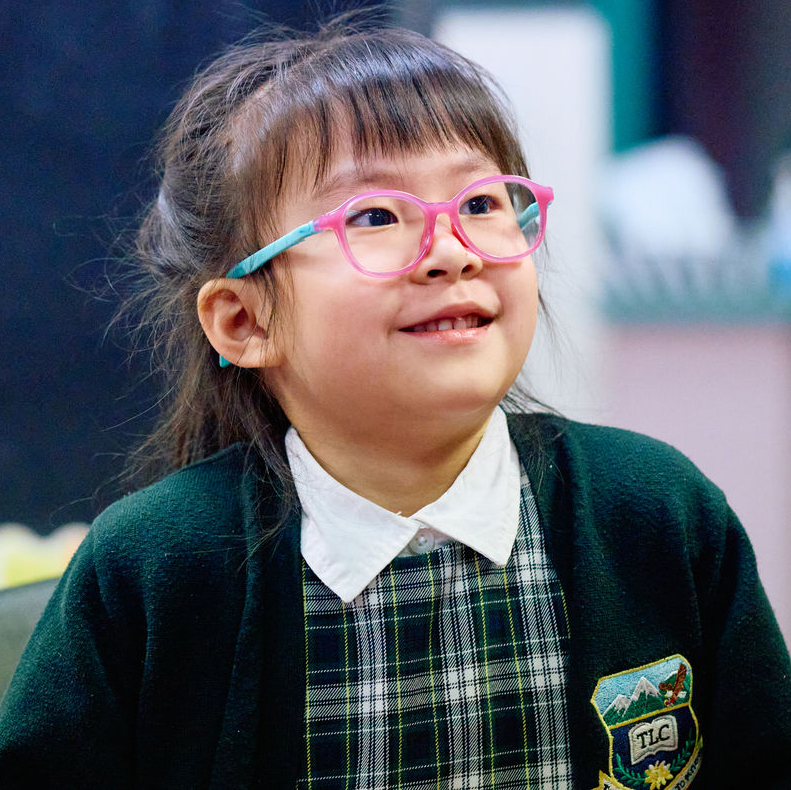
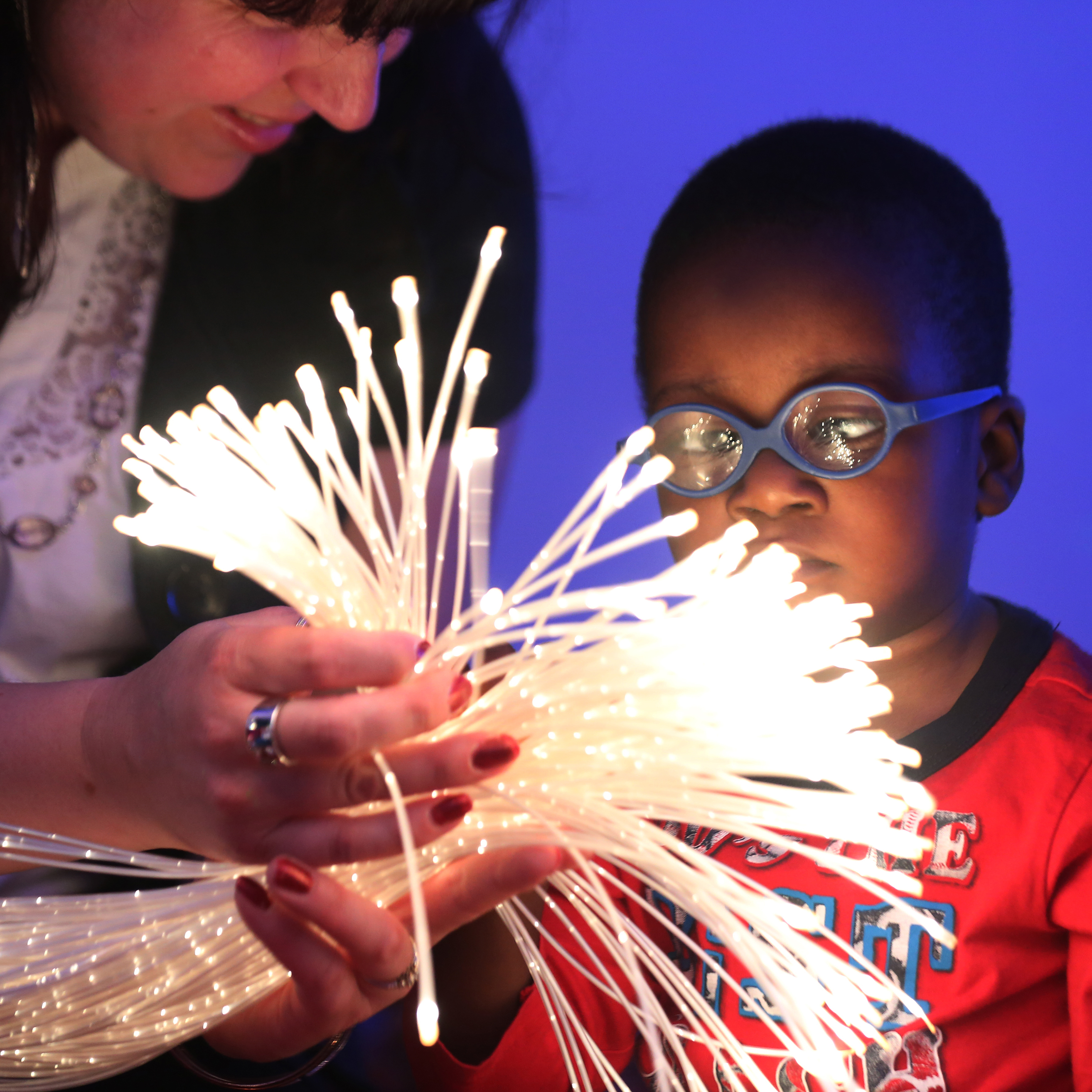
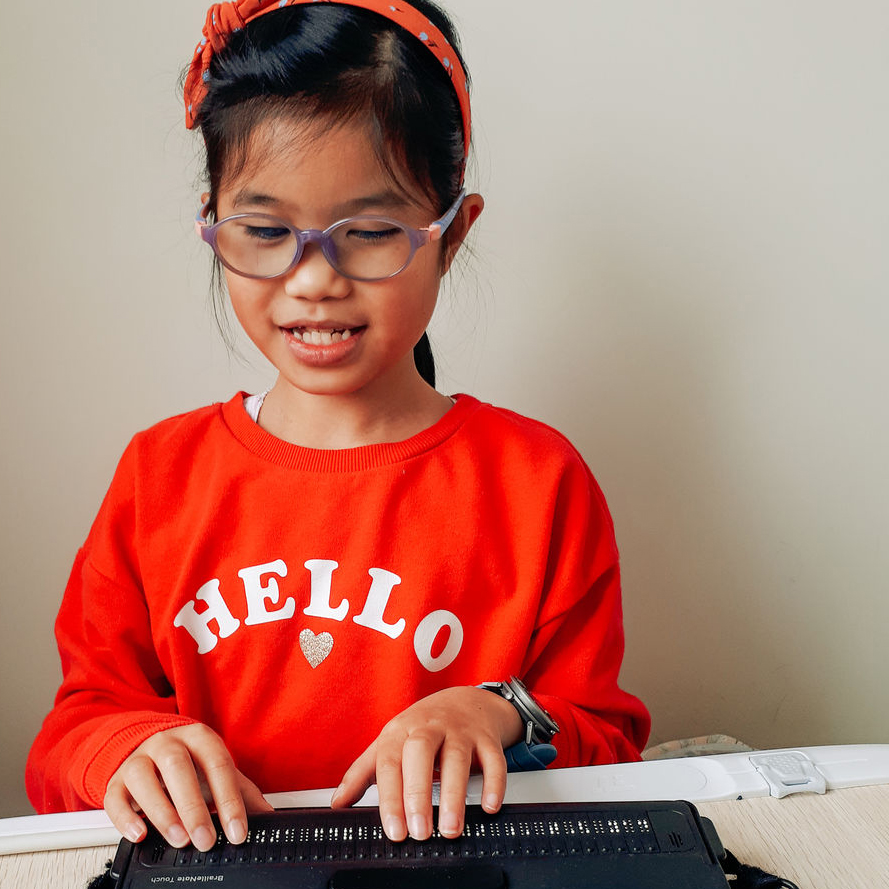
A diagnosis of sight loss can bring many questions, but it doesn’t define what your child can achieve. With the right support, children who are blind, Deafblind, or have low vision can do just about anything.
CNIB offers programs tailored to children and families at every stage of their journey. From building practical skills and connecting with peers to navigating school and advocating for greater inclusion, we’re here to help your child thrive in the classroom and beyond.
Explore support for your family, or help make these opportunities possible for more children with sight loss…
- Discover CNIB Next Generation: Explore programs, resources, and advocacy for children with sight loss and their families.
- Help children thrive: Give now to help children who are blind, Deafblind, or have low vision build skills, connect with peers, and pursue their goals.