
October is Disability Employment Awareness Month, a time to recognize the contributions of people with disabilities in the workforce and raise awareness about disability and employment.
Sight loss does not dictate a person’s skills, work ethic, interests or potential. But misconceptions about blindness or sight loss can shape what kinds of jobs others believe someone who is blind, Deafblind or has low vision can do. Sometimes, those assumptions stem from how people think a job needs to be done, rather than considering the different ways it can be done.
People who are blind, Deafblind or have low vision can do just about anything with the right support and accommodations. They have the same range of talents, ambitions and career goals as anyone else, and work in all kinds of roles and industries. Here are a few examples of that.
Chris Downey, Architect
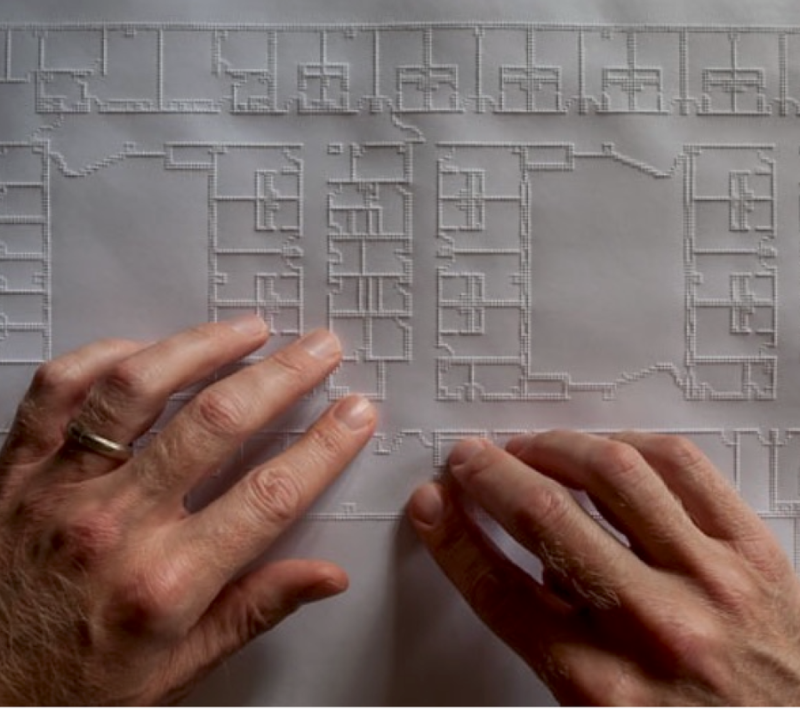 Chris had nearly 20 years of experience as an architect when he lost his sight in 2008 following surgery to remove a brain tumour. Chris continued working as an architect. He reads architectural plans by touch using a large format embossing printer that takes architectural drawings and prints them in raised, tactile form.
“To walk through the city as an architect without sight, your mind is really active, picking up all kinds of really incredible environmental cues around you," he said in the American Institute of Architects’ documentary short, An Architect’s Story.
Chris specializes in projects rooted in universal design and enriching the environment for people who are blind or have low vision. His work includes the LightHouse for the Blind and Visually Impaired in San Francisco, the Salesforce Transit Center in San Francisco, the Independent Living Resource Center in San Francisco, the UPMC Vision Institute in Pittsburgh, PA, and the Sustainability Pavilion in Dubai, UAE. He has also consulted on various planning and public transit projects.
Official website: arch4blind.com
Dr. Wanda Díaz-Merced, Astronomer
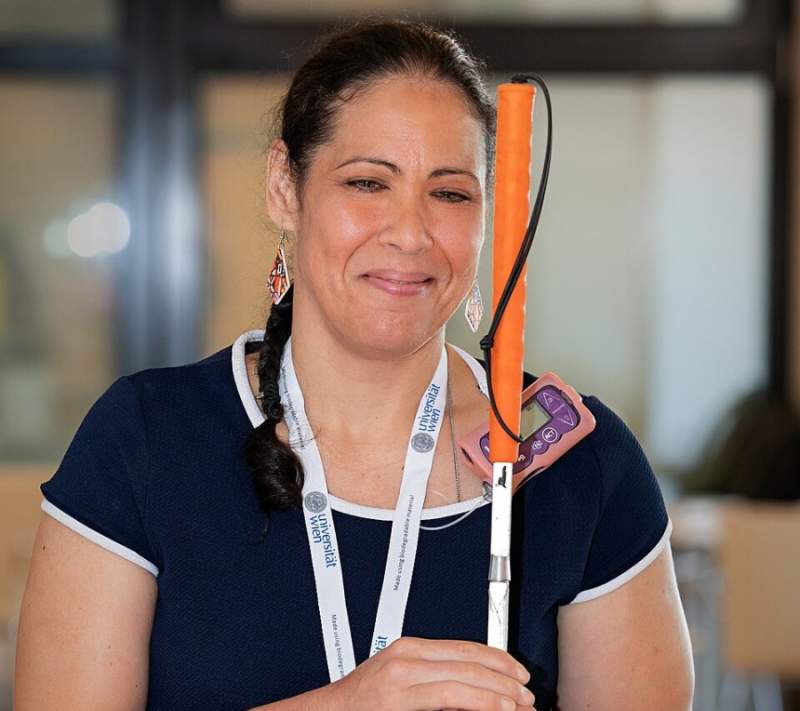
Wanda Díaz-Merced is a Puerto Rican astronomer known for using a technique called “sonification,” an auditory representation of numerical data using rhythm, pitch, volume and other properties.
After losing her sight in her early 20s, Wanda found a new pathway to pursue her dream of studying astronomy when she discovered that astronomical data sets could be analyzed using sonification. Her research has demonstrated how sonification can help scientists identify patterns and features in data that could potentially be obscured in visual representation.
After receiving a bachelor's degree in physics from the University of Puerto Rico, Wanda conducted astrophysical research at NASA’s Goddard Space Flight Center and later completed a Ph.D. in computer science at the University of Glasgow in Scotland. She has conducted research and worked with astronomical institutions around the world while advocating for greater accessibility in astronomy.
Adam Morse, Filmmaker
Adam Morse is an award-winning British filmmaker, writer, actor, and producer. At 19, he lost his vision after being diagnosed with Leber’s Hereditary Optic Neuropathy.
His first short film, The Window, screened at the Cannes Film Festival and won the Audience Award for Best Short Film at the London Independent Film Festival. He went on to write and direct his first feature film, Lucid, which was released on Amazon Prime Video in 2020. The film was nominated for the Michael Powell Award at the Edinburgh International Film Festival, and Adam later received Best Director at the Gold Movie Awards.
In 2024, Adam directed Google Pixel’s Super Bowl commercial, Javier in Frame, which tells the story of a man who is blind using the phone’s guided frame accessibility feature to photograph his life.
Adam is currently developing a slate of film and television projects through his production company, Hollyfield Productions.
Robyn Rennie, Fine Artist
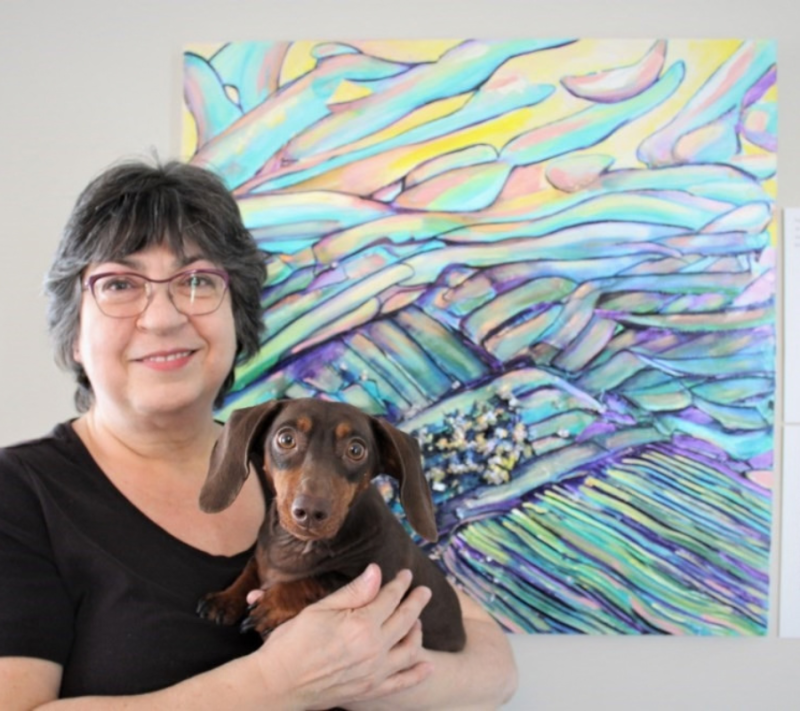 Robyn Rennie is a Canadian fine artist and writer whose sight loss led her to develop new ways of creating and experiencing art. Once a realist painter, Robyn shifted toward abstract work following her sight loss. Using acrylic grounds and mediums, she creates richly textured abstract works with bold colours and interesting textures that invite people to connect with art in a completely different way.
Accessibility is an important part of Robyn’s art. Her multi-sensory exhibitions have incorporated tactile replicas, braille and large-print materials, and audio descriptions, so people who are blind or have low vision can engage with her art through touch and sound.
“Because I had to change my own way of doing things with my vision loss, and I became acutely aware of how inaccessible visual art is to people with vision issues, I started to make things more accessible by using tactile materials and audio description as well,” she said in an AMI documentary about her work.
Mary Mammoliti, Culinary expert, podcaster, and TV host
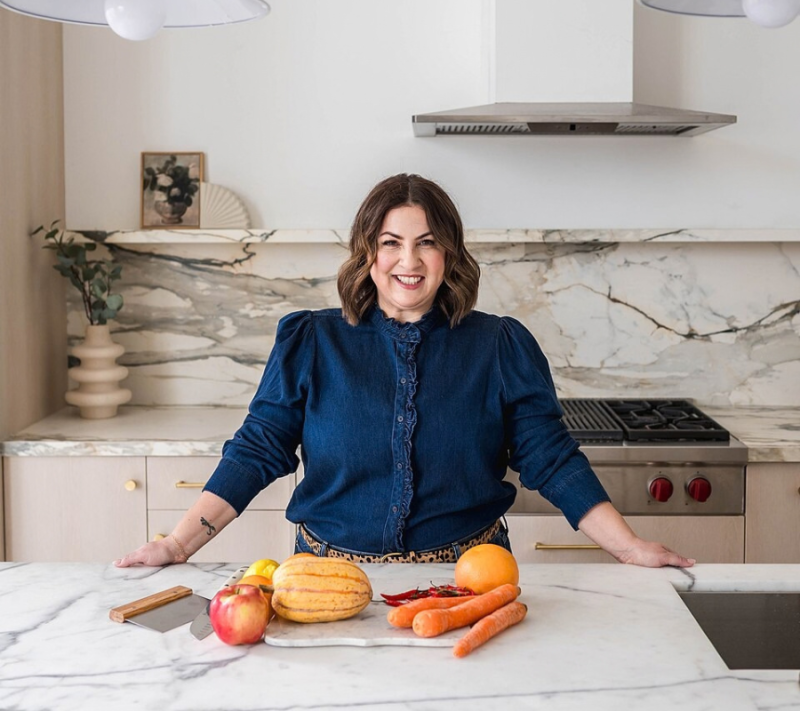
Mary Mammoliti is a food writer, accessibility advocate, and television host with a passion for making cooking enjoyable and inclusive for everyone.
As Mary’s sight loss progressed while she was working in finance, she turned her love of cooking into a new career.
Through her website, social media, and podcast, Mary shares recipes, stories, and tips to help people cook with confidence by teaching them to trust every sense in the kitchen. She also hosts Dish with Mary on AMI-tv, where she cooks alongside renowned chefs from across Canada.
If you’re blind or have low vision and looking for your next career opportunity, join the Come to Work talent pool. If you’re an employer ready to connect with talent and build a more inclusive workplace, partner with Come to Work.