
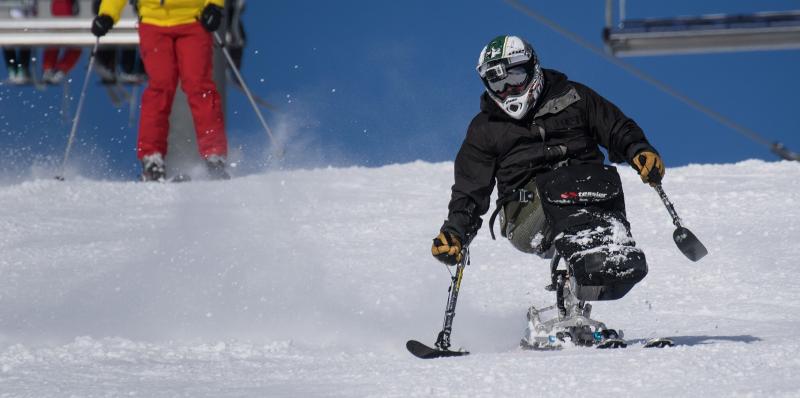
Canadian athletes with sight loss leading the way into the 2026 Paralympic Games
The crunch of snow under skis. The rush of cold air. The roar of the crowd as athletes fly down the slope and whiz across the finish line. For nearly 50 years, the Winter Paralympic Games have brought that magic to life for athletes with disabilities from every corner of the globe.
As the 2026 Milano-Cortina Games approach, we’re shining a spotlight on some of the Canadian athletes with sight loss who continue to raise the bar in winter sport…
Mac Marcoux: Leading into 2026
Hailing from Sault Ste. Marie, Ontario, Mac Marcoux is one of the most influential para-alpine skiers of his generation. Diagnosed with Stargardt disease at a young age, he climbed quickly through the international ranks, earning multiple Paralympic medals in his career. This year, he returns in a new role as the honorary captain of Canada’s team for the 2026 Games.
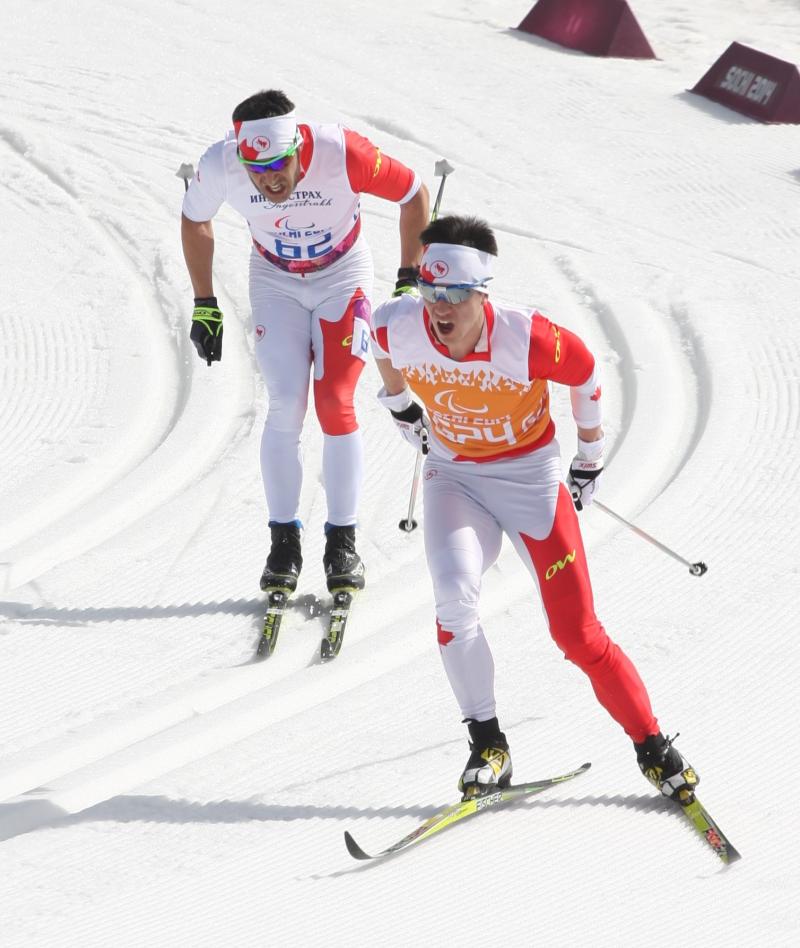
Brian McKeever: A Canadian legend
Originally from Calgary and raised in Canmore, Alberta, Brian McKeever is the most decorated winter Paralympian in Canadian history. His extraordinary para-Nordic career – raced alongside his guide and brother, Robin – reshaped global perceptions of what athletes with sight loss can achieve. Now retired, Brian continues to mentor and coach emerging athletes, helping fuel Canada’s future Paralympic success.
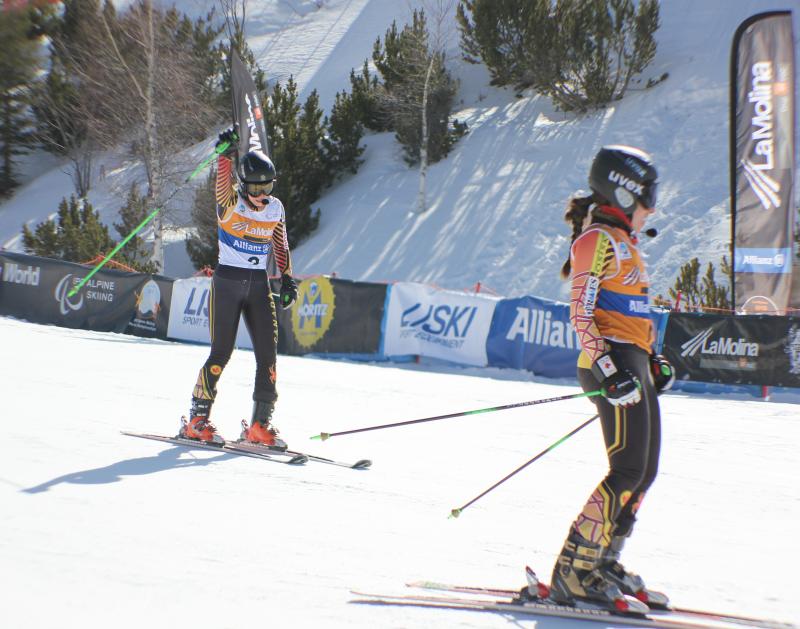
Viviane Forest: A dual-sport standout
Born in Montreal and raised in Edmonton, Viviane Forest is one of Canada’s most accomplished Paralympians. As the first Canadian to win gold at both the Summer and Winter Paralympics, she has built a remarkable career that spans two sports – from the grit and intensity of goalball to the speed and precision of para-alpine skiing.
How CNIB helps build the pathway – and how donors make it possible
While these athletes each followed unique journeys, their stories reflect the same foundation we work to create every day at CNIB: access, inclusion, and a sense of possibility.
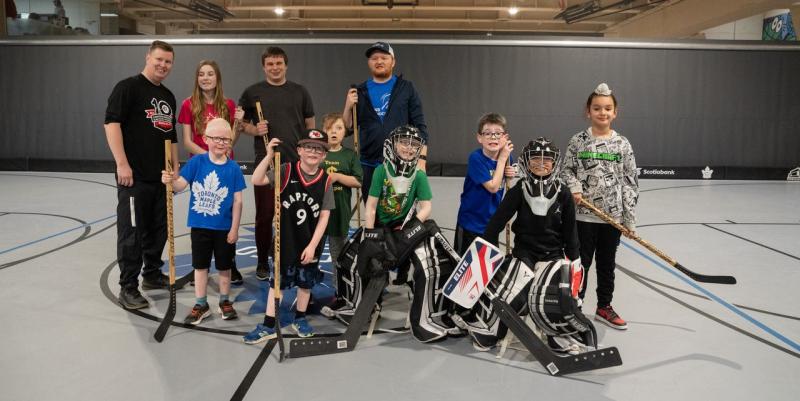
Thanks to donor support, we deliver accessible recreation programs that help people with sight loss explore movement, build skills, and discover the joy of participating in sport – whether they’re finding their confidence in a community program or dreaming about competitive pathways.
“When people with sight loss are welcomed into recreation and sport, they gain confidence, connection and the chance to discover new possibilities,” says Suzanne Decary, CNIB’s Senior Vice President of Programs. “Our donors help remove barriers and create those opportunities. Our goal is to make sure every person with sight loss has the chance to experience that sense of possibility.”
Looking Ahead to the Games
As Team Canada prepares for Milano-Cortina 2026, we’ll be cheering for the athletes, leaders, and guides who continue to push the boundaries of sport for people with sight loss. Their achievements remind us why accessible recreation matters, and how every opportunity – from a first ski lesson on the bunny slope to an international race – can spark a lifetime of possibility.
Every Paralympic journey begins with access and opportunity.